uMhlangano wa Maseko Ngoni Cultural Festival
Annual cultural festival of the Maseko Ngoni
When it happensThe month is settled. Organisers set the exact days each year.
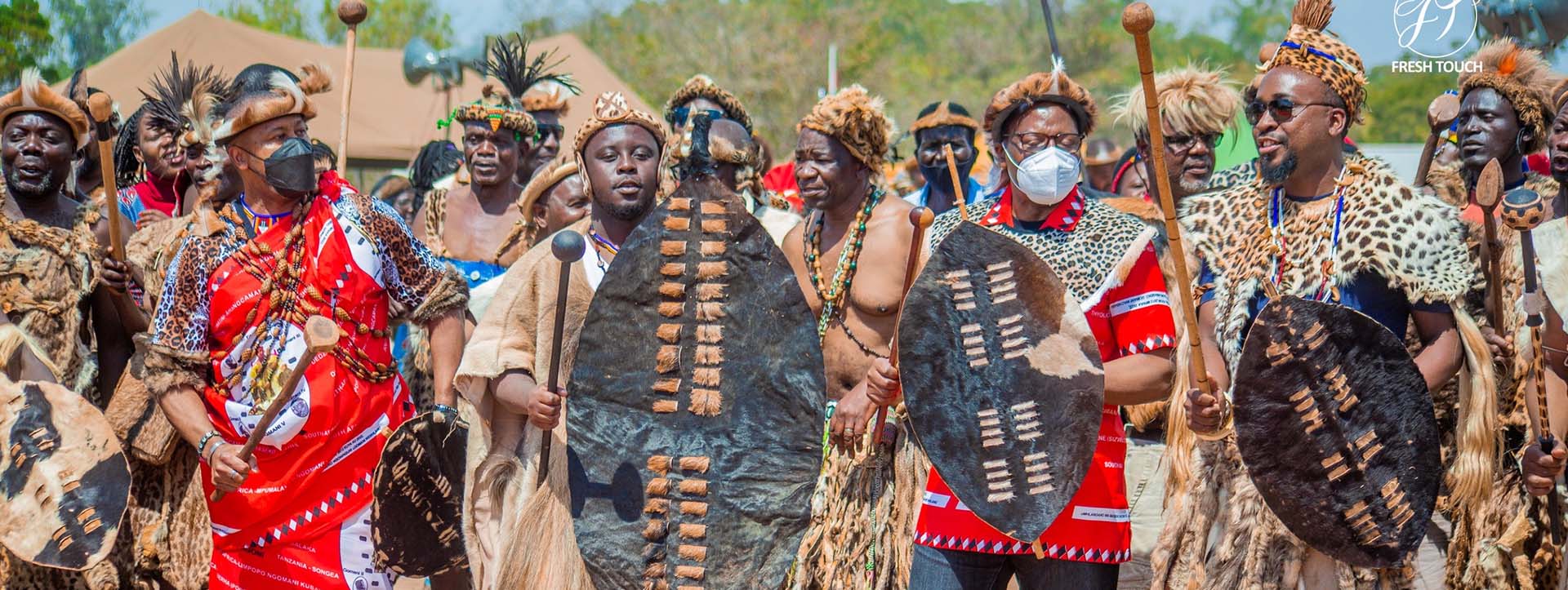 Source: Photo By Masekongoni Org
 Where it happens
📍 Lizulu · Malawi
Traditional gathering celebrating Ngoni culture and heritage through dance, music and ceremonies
About uMhlangano wa Maseko Ngoni Cultural Festival
uMhlangano wa Maseko Ngoni is the yearly cultural festival of the Maseko Ngoni, held at Nkolimbo (also spelt Mkolimbo) Village, Lizulu, in Traditional Authority Kwataine, Ntcheu District.
The word umhlangano means a coming together or assembly. The gathering is led by the Maseko Ngoni paramount, iNgwenyama Inkosi ya Makhosi Gomani V, and organised by the Maseko Ngoni Heritage Trust, whose chairperson is Inkosi Makwangwala and secretary general is iMpi Kandi Padambo.
It centres on rites at the grave of Inkosi ya Makhosi Gomani I, known as Gomani Chikuse, who was shot by British colonial forces in 1896 and is buried at Nkolimbo, followed by a day of traditional dances, mounted cultural pavilions, wreath-laying, speeches and the release of white doves for peace.
The modern festival was revived and formalised in 2013, a year after Gomani V was installed in 2012. It draws Maseko Ngoni from across Malawi and delegations from Mozambique, Zambia, eSwatini, South Africa and Lesotho.
In recent years, it has become a platform for social messaging on gender-based violence, child marriage, girls' education and the environment, with health outreach led by the queen, Her Royal Majesty Khanyisa Rishaladza Gomani V.
It was not held in 2024, when Gomani V cancelled it to mourn Vice-President Saulos Chilima and musician Lucius Banda.
Origins & significance
The Maseko Ngoni are Nguni-speaking people who moved north during the Mfecane from the Natal and Swaziland area, crossed the Zambezi and settled in central Malawi (Ntcheu and Dedza), Mozambique and beyond, led first by Ngwane Maseko and then Mputa Maseko.
They are distinct from the Jere or Zwangendaba Ngoni of Mzimba.
The festival honours Inkosi ya Makhosi Gomani I, Gomani Chikuse, who resisted colonial taxation and was shot by British forces on 27 October 1896 and is buried at Nkolimbo.
The event also draws on older Ngoni gatherings, including a first-fruits harvest-thanksgiving tradition. It was revived and formalised in 2013 by Gomani V to restore Ngoni language, identity and customs and to reconnect families separated by colonial borders.
How it's celebrated
Traditional dances, music performances, cultural ceremonies
Plan your visit
Whose festival it is
The culture
Warrior regalia is dominated by animal skins and feathers. Men wear feather headgear (mthini), beadwork across the chest and stomach, animal-skin garments, and carry a spear or club and a shield (ihawu). Women wear cloth wraps, beads and headgear. Imvunulo is the general Nguni term for such regalia.
Singing in siNgoni or isiZulu with call-and-response between male dancers and women who sing, clap and ululate, accompanied by stamping, rattles and the clash of shields, spears and clubs.
Ingoma is the central Ngoni warrior dance. Other named Maseko dances include ligubo (a war-style ingoma performed at a grave), khwendo (mkwendo), msindo (nsindo) and uyeni, a women's dance associated with installing a chief.
Official links
Help keep this accurate
Festivals change year to year. If you know this one, from the community or as an organiser, a quick confirmation or correction keeps it right for everyone.
Log in to confirm this festival or suggest a change.
Embed this page on your site
Add a badge that links back to this official festival page.