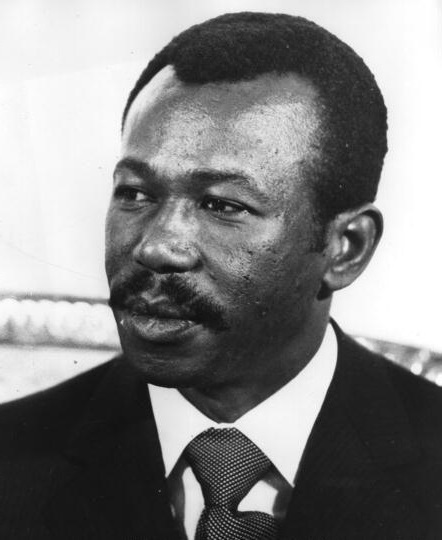
Born 1937·Ethiopia, Zimbabwe·politician, military personnel
1930s
Why they matter
Mengistu Haile Mariam led Ethiopia's Derg regime during the Red Terror and the long wars against rebels.
Mengistu rose through the Derg after Emperor Haile Selassie was overthrown in 1974 and ruled Ethiopia until 1991. He fled to Zimbabwe in May 1991, days before rebel forces entered Addis Ababa.
1942–1993·🇿🇦 South African·Military commander, politician, revo...
1940s
Why they matter
Hani's assassination could have detonated South Africa's transition, and instead it forced the apartheid state to name an election date.
He was Chief of Staff of uMkhonto we Sizwe and General Secretary of the South African Communist Party when he was shot outside his home in 1993. A white right-winger pulled the trigger, but a white neighbor's testimony led to the killers' arrest, and Nelson Mandela went on national television to hold the country back from the brink. The negotiations that had been stalling produced a firm date soon after: the first all-race election, held in April 1994.
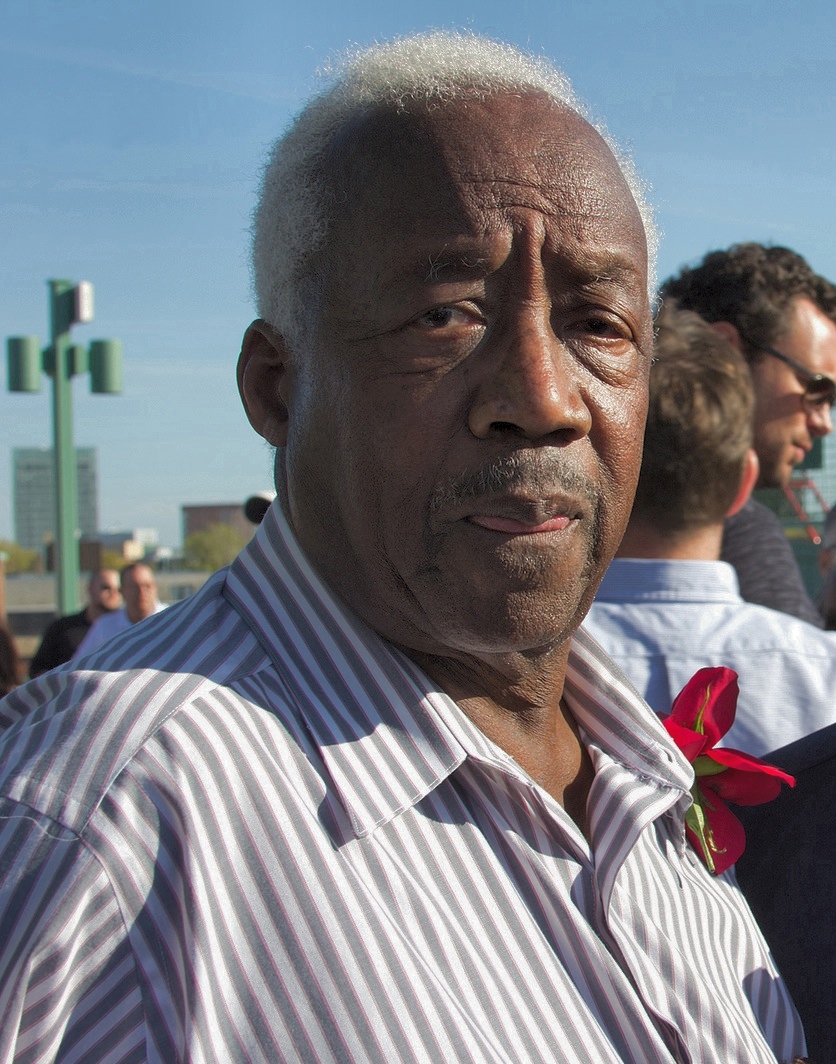
Elijah Jerry Green broke the Boston Red Sox colour line in 1959, making them the last Major League team to field a Black player.
Known as Pumpsie Green, he debuted for the Red Sox in July 1959, twelve years after Jackie Robinson broke baseball's colour line. He played infield for Boston and later for the New York Mets.
1934–2002·🇦🇴 Angolan·Rebel military leader, politician
1930s
Why they matter
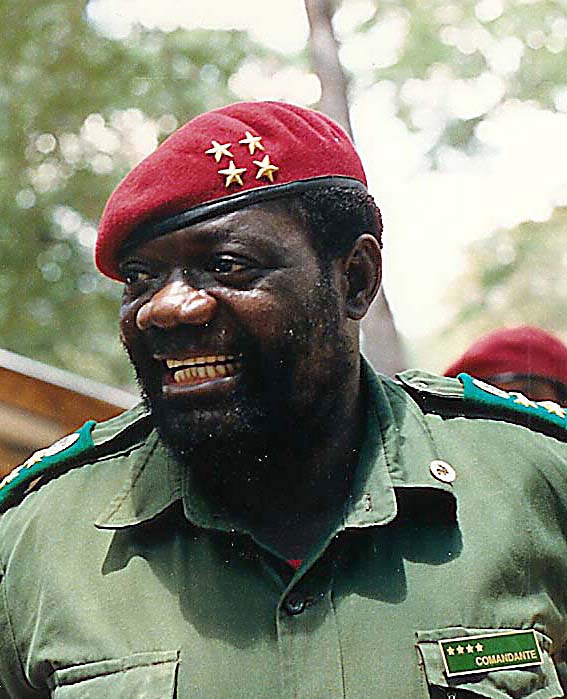
Savimbi fought Angola's government for 27 years with American and South African guns, and the war only ended when troops finally shot him.
He founded UNITA in 1966 and kept fighting after independence in 1975, backed by the United States and apartheid South Africa against the MPLA government and its Cuban and Soviet allies. He rejected the 1992 election results after losing to José Eduardo dos Santos and returned to war, funding his army through Angola's diamond fields. Government troops killed him in an ambush in Moxico province in February 2002, and UNITA signed a ceasefire within weeks.
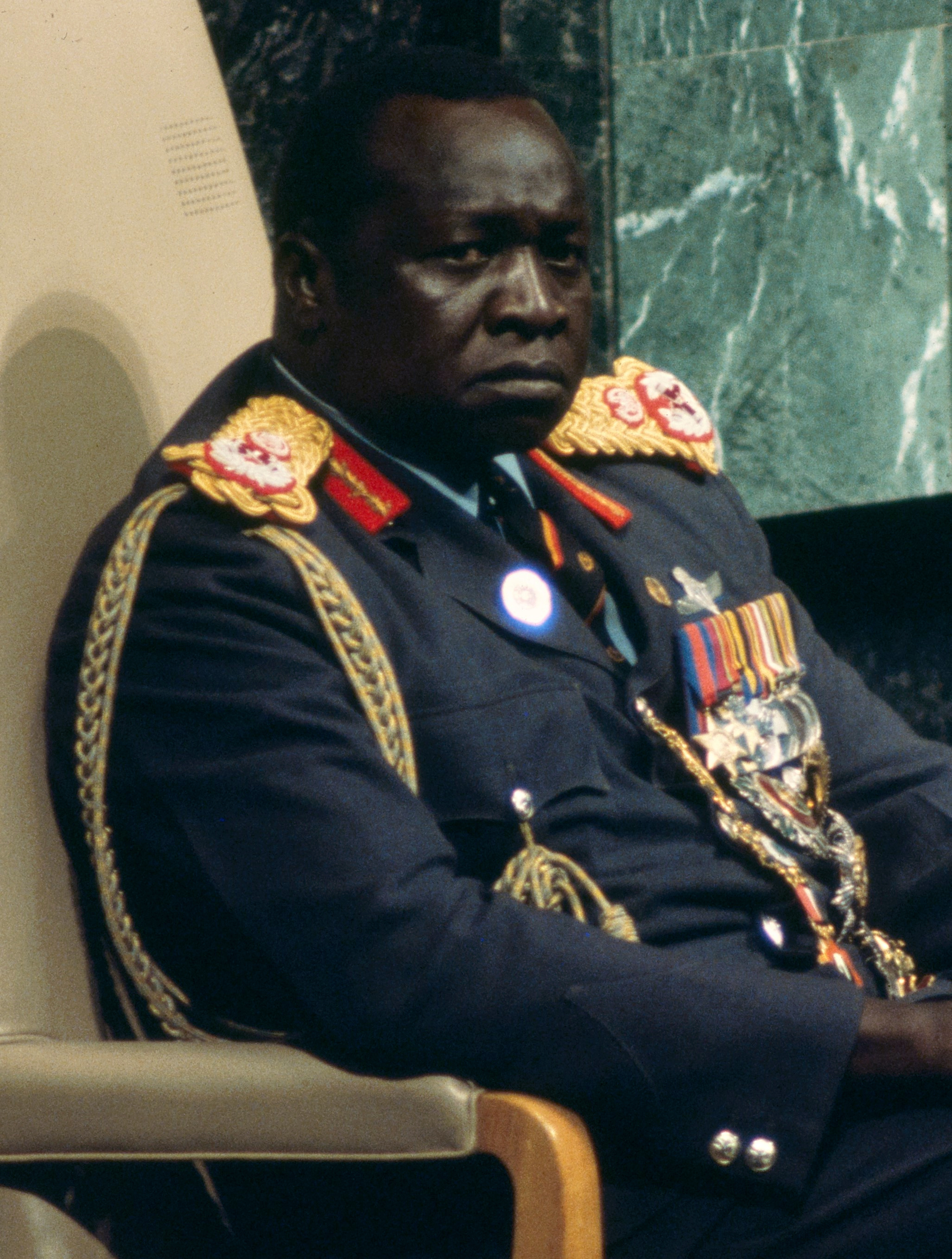
1928–2003·Uganda, Saudi Arabia, Uganda Protectorate·politician, military officer, milita...
1920s
Why they matter
Idi Amin seized power in Uganda in 1971 and later expelled tens of thousands of Asians from the country.
Amin ruled Uganda from 1971 to 1979 after a military coup. His government was associated with political repression and mass killings, and he ordered most of Uganda's Asian population expelled in 1972.