"1. Unity in Diversity*
Sudan is not one tribe, one language, or one religion. It is many. Our list rejects division and builds a Sudan where Masalit, Dinka, Nuer, Beja, Fur, Arab, and all communities share equal citizenship. We protect cultural identity, local languages,...."
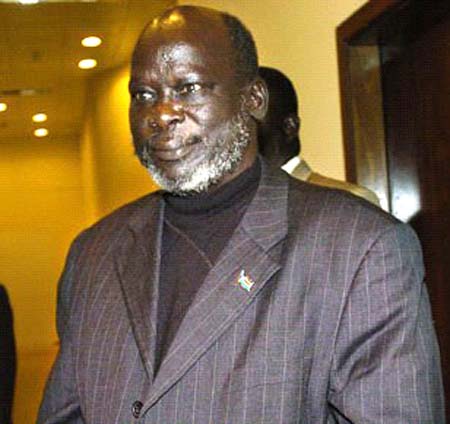
John Garang led Sudan's southern rebellion into a peace deal that created a route toward southern self-government.
Garang founded the Sudan People's Liberation Movement and its army in 1983 and led them through Sudan's long civil war. Under the 2005 peace agreement he was sworn in as First Vice President of Sudan in July, then died in a helicopter crash three weeks later.
Dr. John Garang is my compatriot, my pride, my guiding star. He dreamed of a united, free Sudan, and his vision lives forever in our hearts today and always.
He was not just a leader; he was a teacher, a soldier, a scholar who understood our suffering. Born in the heart of our.
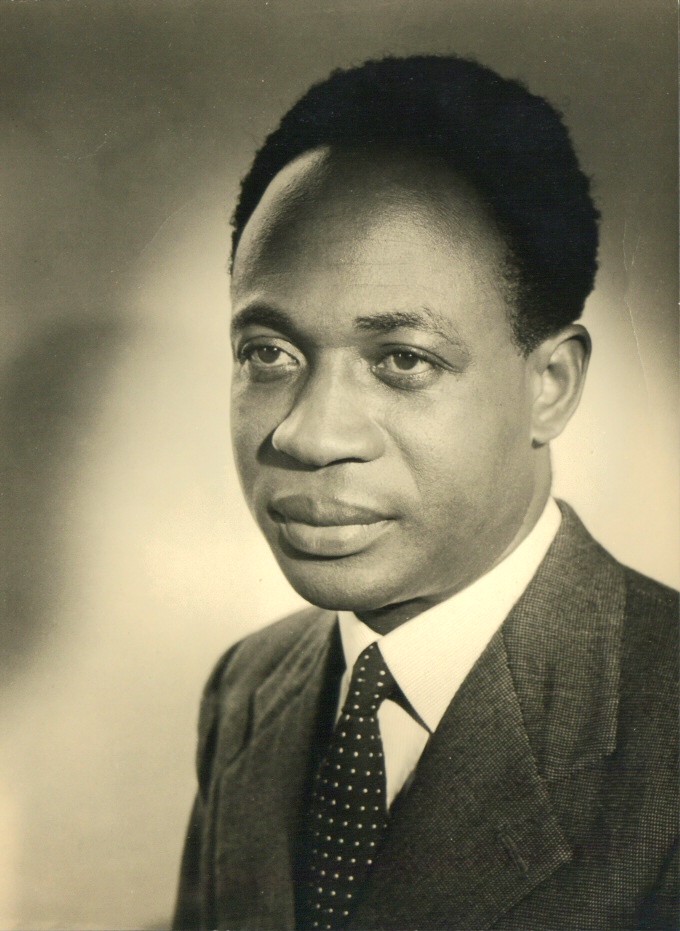
Kwame Nkrumah took the Gold Coast to independence in 1957 and gave the new country the name Ghana.
Nkrumah became prime minister of the Gold Coast in 1952 and kept the post at independence in 1957. He became president in 1960. His government hosted the first Conference of Independent African States in Accra in 1958.
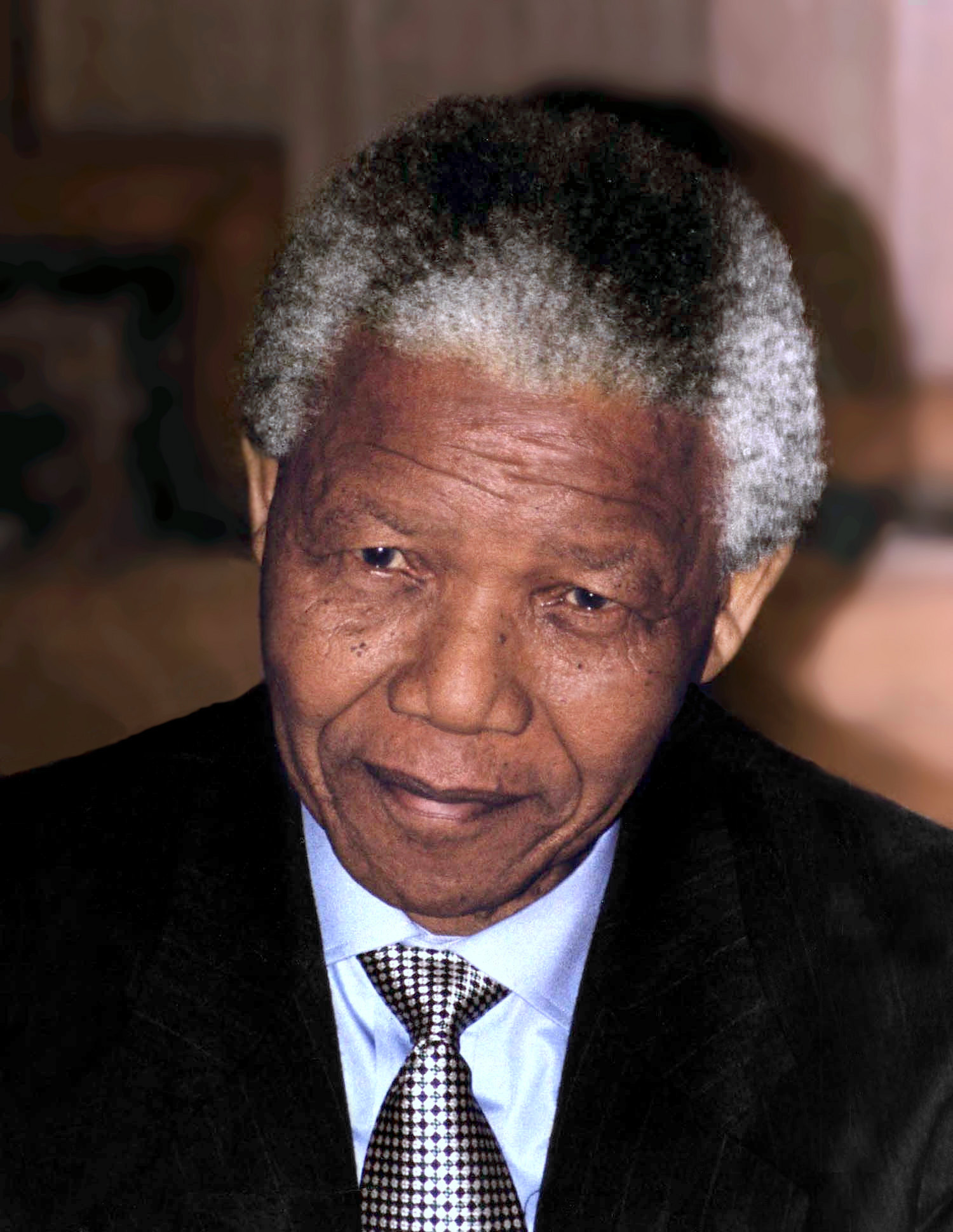
Nelson Mandela spent 27 years in prison before negotiating the end of white minority rule in South Africa.
Mandela was released in 1990 after 27 years in prison and became the first democratically elected president of South Africa in 1994. In 1993, he and F.W. de Klerk received the Nobel Peace Prize.
1949–1987·Republic of Upper Volta, Burkina Faso·politician, military officer, states...
1940s
Why they matter
Sankara vaccinated 2.5 million children and planted 10 million trees in four years, then his best friend had him shot.
In 1983 he took power in Upper Volta at 33 and renamed it Burkina Faso, "the land of upright people." He sold off the government's Mercedes fleet, banned forced marriage and female genital cutting, and refused foreign debt, telling the world "he who feeds you controls you." In 1987 his closest ally, Blaise Compaoré, seized power in a coup, killed him, and ruled for the next 27 years.
1869–1947·Sudanese, Italian·Canossian Religious Sister
1860s
Why they matter
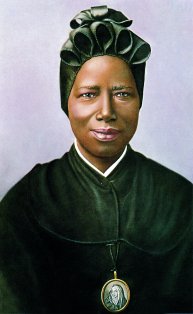
Bakhita was kidnapped into slavery as a child, and Italy's courts freed her because slavery had no legal standing there.
Born in Darfur around 1869, she was abducted by slave traders and sold repeatedly before an Italian family brought her to Italy. When her owners tried to reclaim her, an 1889 court ruling held that she was free because Italian law did not recognize slavery. She joined the Canossian Sisters, served for decades in Schio, and in 2000 Pope John Paul II canonized her; she is now the patron saint of Sudan and of trafficking survivors.
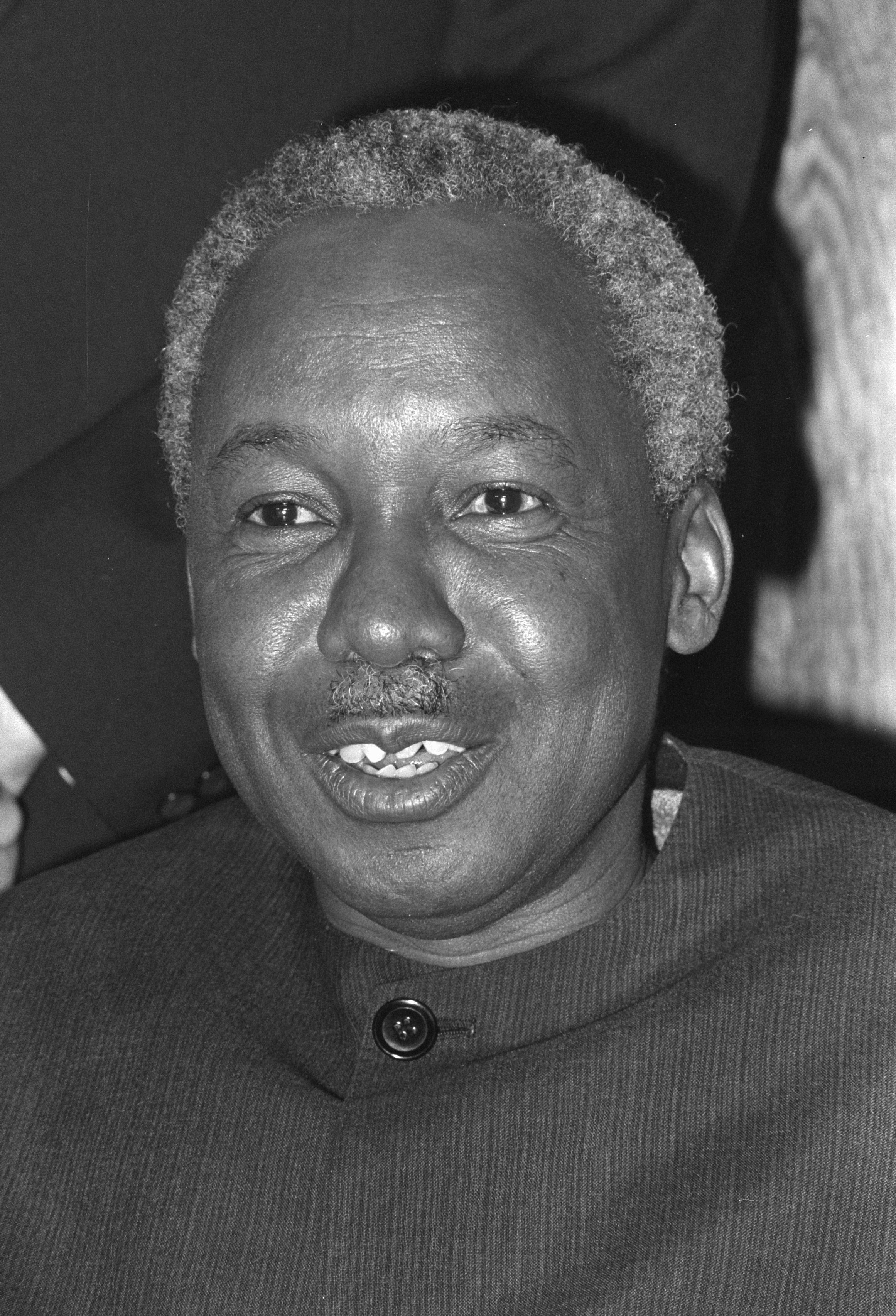
Julius Nyerere led Tanganyika to independence, united it with Zanzibar and voluntarily left Tanzania's presidency in 1985.
Nyerere became Tanganyika's first prime minister in 1961 and Tanzania's first president in 1964. He stepped down in 1985 after more than two decades in power.
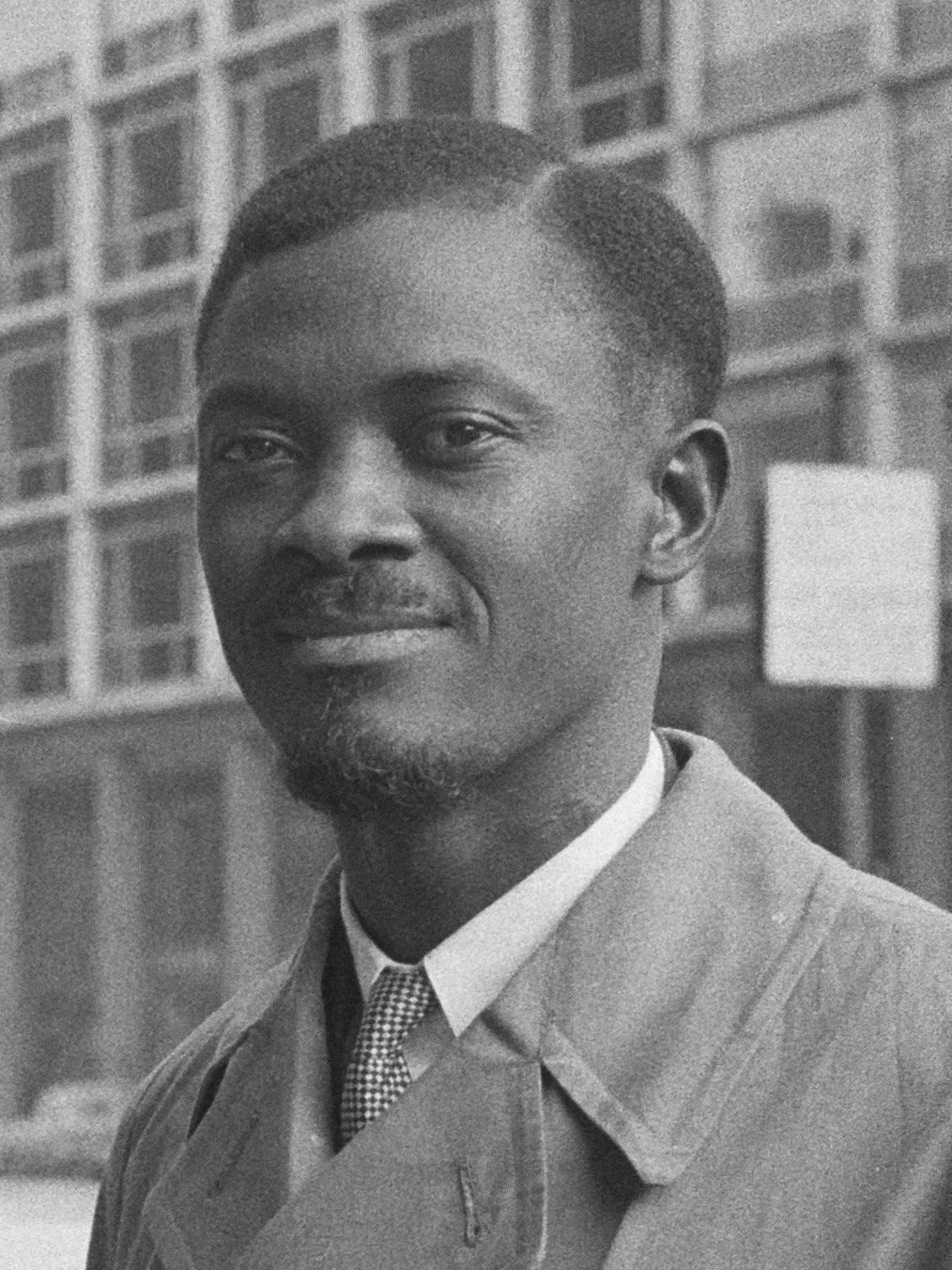
1925–1961·Republic of the Congo (Léopoldville)·revolutionary
1920s
Why they matter
Lumumba led Congo to independence and was dead within seven months, executed with both Belgian and American hands in the plot.
Congo's first elected prime minister used his June 1960 independence speech to confront Belgium's King Baudouin to his face over colonial brutality. Belgium backed Katanga's secession under Moïse Tshombe within weeks, and army chief Joseph Mobutu seized power that September. Lumumba was handed to his enemies and shot in January 1961; declassified files later confirmed Belgian officers ran the execution and the CIA had approved a plan to kill him.
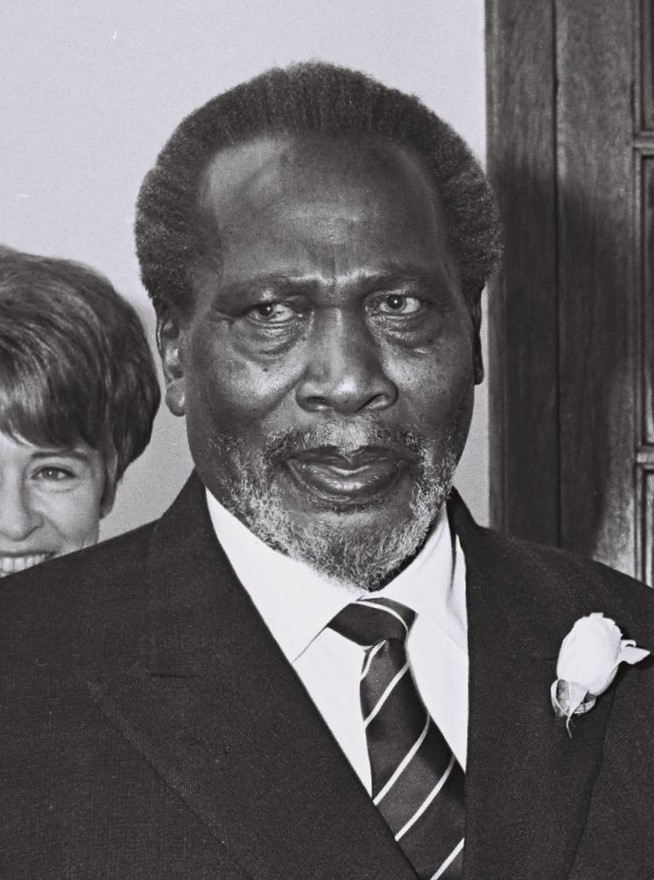
Jomo Kenyatta spent nearly a decade in detention before becoming Kenya's first prime minister and president.
British authorities arrested Kenyatta in 1952 and held him until 1961, accusing him of links to Mau Mau. He became prime minister in June 1963, led Kenya to independence that December and became president in 1964.
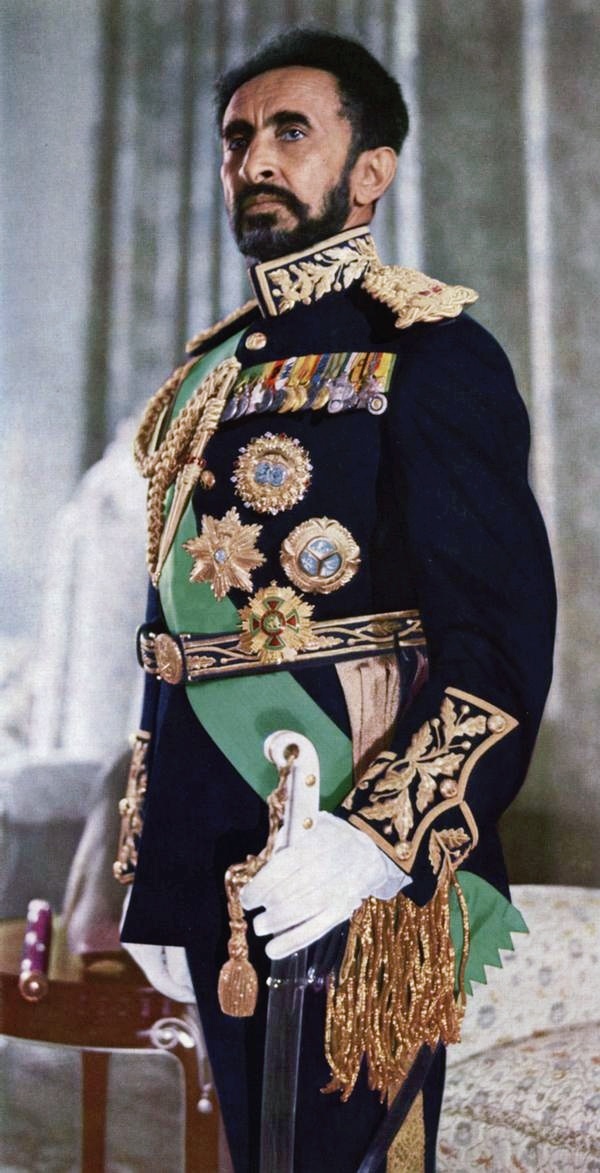
Haile Selassie I addressed the League of Nations after Italy invaded Ethiopia and later became a symbol of African sovereignty.
Haile Selassie ruled Ethiopia as emperor from 1930 to 1974, with five years in exile during the Italian occupation. His June 1936 speech at the League of Nations condemned the world's failure to stop Italy's invasion.
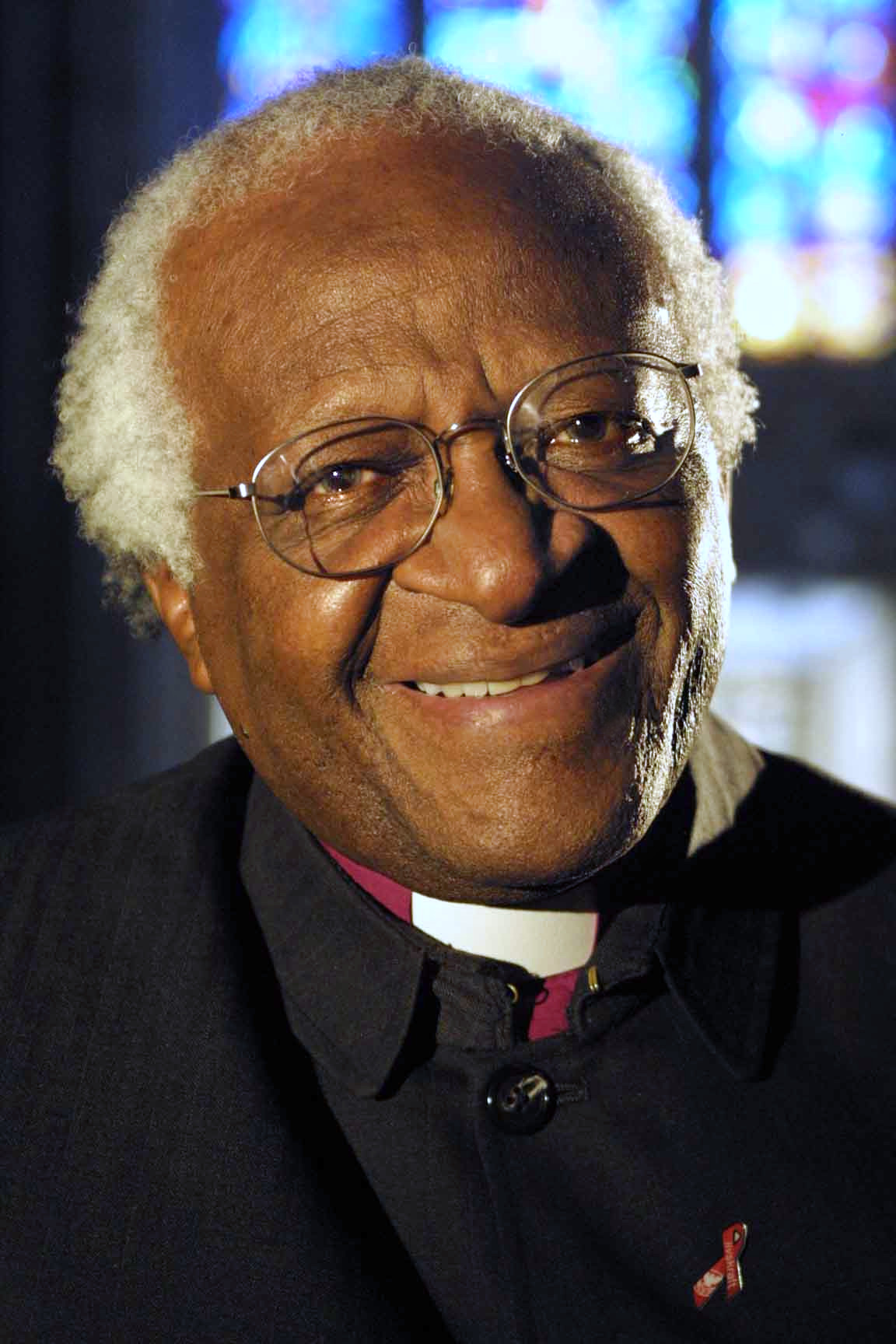
1931–2021·South Africa·Anglican priest, human rights defend...
1930s
Why they matter
Desmond Tutu turned his pulpit into a weapon against apartheid and won the Nobel Peace Prize in 1984.
Tutu became the first Black Anglican archbishop of Cape Town in 1986. After apartheid ended, he chaired the Truth and Reconciliation Commission, which heard testimony about abuses from the apartheid years.
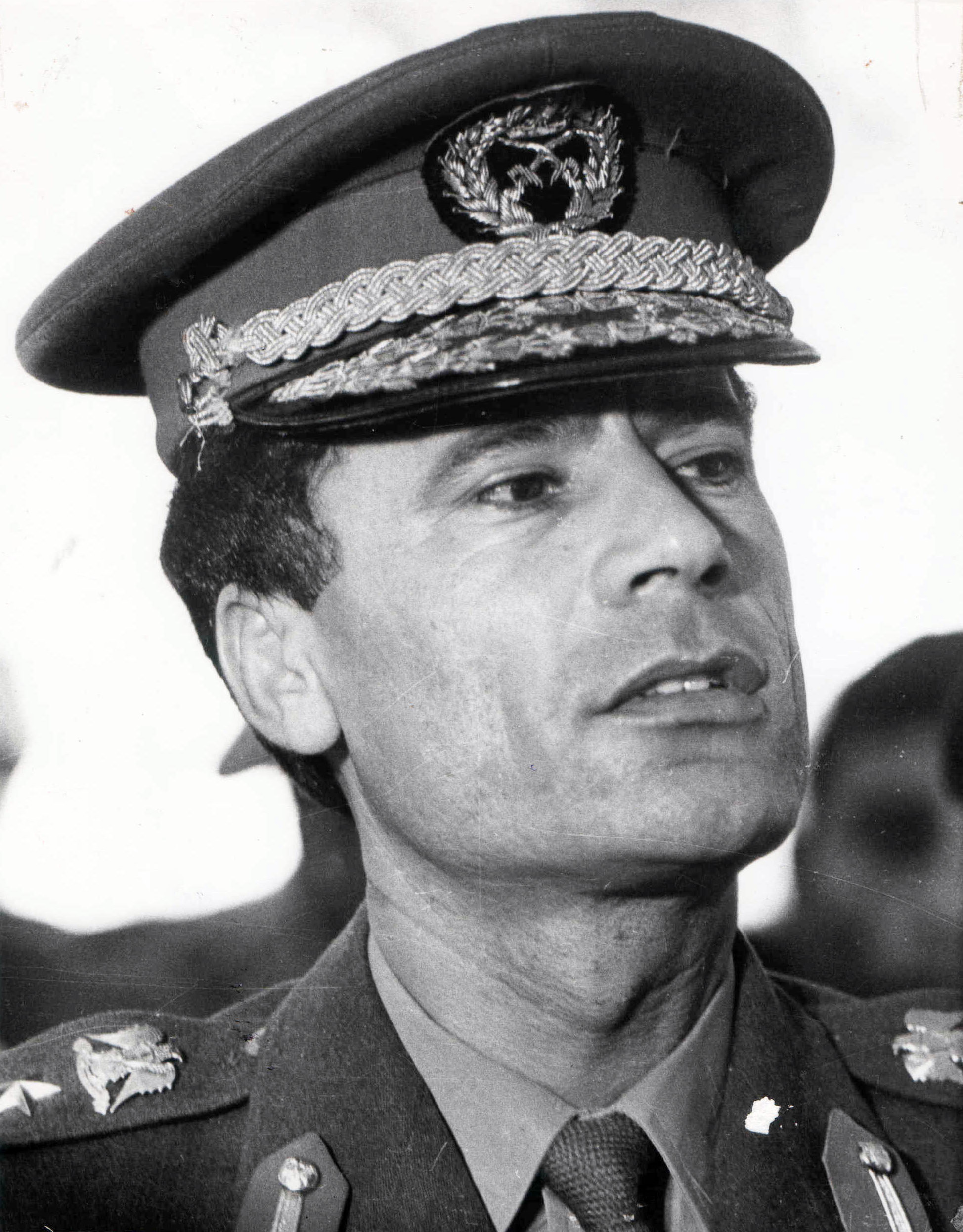
1942–2011·Kingdom of Libya, Libyan Arab Republic, Great Socialist People's Libyan Arab Jamahiriya·politician, writer, military officer
1940s
Why they matter
Muammar Gaddafi seized Libya's government in 1969 and later backed revolutionary and armed movements across Africa.
Gaddafi ruled Libya from 1969 until 2011. Late in his rule he promoted African political integration and funded projects and governments across many African countries.