Lamu Cultural Festival
Swahili culture celebration that focuses on preserving endangered maritime technologies, vernacular architecture, and regional performing arts.
When it happensThe month is settled. Organisers set the exact days each year.
Where it happens
📍 Lamu · Kenya
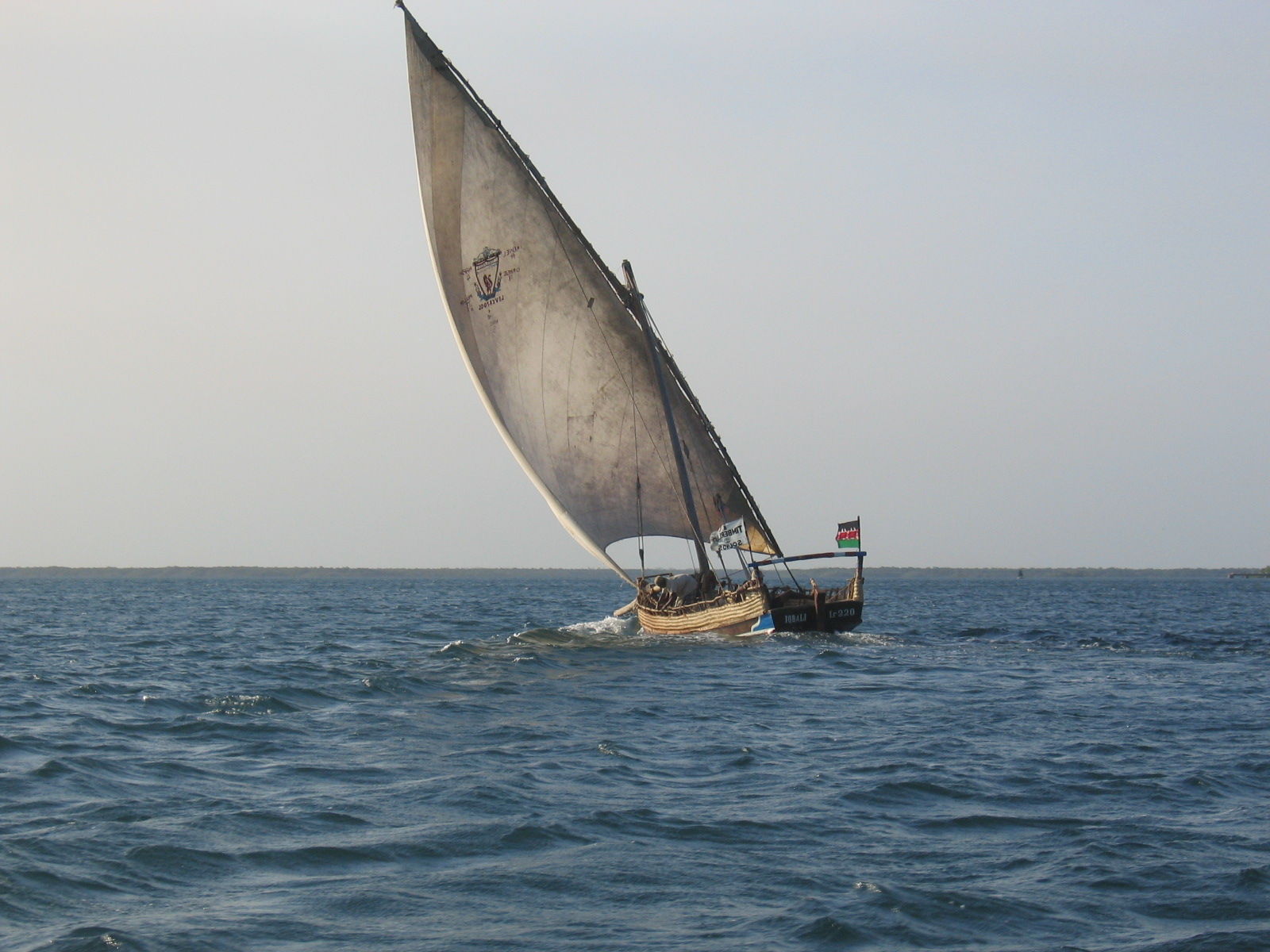
Annual festival celebrating the rich Swahili culture of Lamu, one of the oldest and best-preserved Swahili settlements in East Africa. The festival includes traditional dhow races, donkey races, and henna painting competitions.
About Lamu Cultural Festival
The Lamu Cultural Festival is held each year in Lamu Old Town, a UNESCO World Heritage Site on Lamu Island off Kenya's northern coast. It began in the early 2000s (sources give 2000 or 2001) and is organised by the Lamu County Government, working with bodies such as the National Museums of Kenya and the Kenya Tourism Board. The aim is to promote and preserve Swahili heritage and to support tourism and local trade.
The festival runs for three days, usually in the second half of November. It draws visitors from across Kenya and abroad. Signature events are the dhow sailing races off Shela and the donkey race along the Lamu seafront. Other activities include Bao board-game tournaments, Swahili poetry and oral-literature competitions, henna painting, wood-carving displays, swimming and cross-country races, football, fishing contests, cooking competitions, a street bazaar and traditional Swahili wedding displays.
The event was cancelled during the COVID-19 pandemic, with 2019 the last pre-pandemic edition, and restarted in November 2022. Recent editions ran 28-30 November 2024 (22nd edition) and 20-22 November 2025 (23rd edition).
Origins & significance
Lamu Old Town is the oldest and best-preserved Swahili settlement in East Africa, inhabited for more than 700 years and founded around 1370; the earliest written reference dates to 1441. It was inscribed on the UNESCO World Heritage List in 2001 under criteria (ii), (iv) and (vi).
The festival began in the early 2000s to promote and preserve Swahili culture and to boost tourism. It is distinct from the religious Maulid Festival, which follows the Islamic lunar calendar and honours the birth of the Prophet Muhammad.
How it's celebrated
Dhow races, donkey races, Swahili poetry, henna competitions, traditional crafts
Plan your visit
Reach Lamu by flying to Manda Airport and crossing by boat or water taxi to Lamu Town, or by road to Mokowe Jetty on the mainland and then by boat.
Lamu Old Town has no motor vehicles; get around on foot or by boat.
Dress modestly.
The culture
Men wear the kanzu (long robe) and embroidered kofia cap; women wear the buibui, dera and kanga. Modest dress in keeping with the town's Muslim culture is the norm.
Live music includes taarab, a Swahili sung-poetry genre performed with instruments such as the oud, violin, accordion and percussion. Drumming underpins the many ngoma (dance) performances.
The festival features Swahili ngoma dances. Men perform Kirumbizi, a stick-and-sword mock-combat dance associated with the Bajuni, and the slow, meditative Goma la Siyu from Pate Island. Women perform Vugo, a wedding dance using horns, and Lelemama, a women's dance with a long history as a dance-association movement on the coast.
Official links
Help keep this accurate
Festivals change year to year. If you know this one, from the community or as an organiser, a quick confirmation or correction keeps it right for everyone.
Log in to confirm this festival or suggest a change.
Embed this page on your site
Add a badge that links back to this official festival page.