Who needs a time machine when the Swahili coast still holds cities built half a millennium ago - coral skyscrapers that once echoed with trade, faith, and laughter?
A simple journey along the East African shoreline, from Somalia down to Mozambique, is enough to walk through history itself. Fourteen ancient cities once thrived here, built of coral stone and lime, glowing under the Indian Ocean sun.
These were not small fishing villages, but cosmopolitan centres that connected Africa to Arabia, India, and China.
Their story is a reminder that long before colonial maps were drawn, East Africa had already built its own world, one carved out of the ocean and coral rock.
The architecture at the East African Coast, which we’ll refer to as Swahili architecture, remains one of the most defining marks of this culture.
The buildings were made from coral stones picked from the ocean and plastered with lime. This distinct style first emerged in the 11th century, thanks to the Indian Ocean trade, beginning in the towns of Kilwa and Shanga.
When Ibn Battuta arrived at Kilwa in 1331, he described it as “among the most beautiful of cities and most elegantly built. All of it is wood, and the ceiling of the houses are of al-dis (reeds).”
When Vasco da Gama reached the coast in 1498, he was astonished to find well-developed urban centres with buildings of “stone and mortar, with windows and terraces like those of Spain.”
The island city of Kilwa Kisiwani was so powerful that it minted its own gold and silver coins between the 11th and 15th centuries - centuries before most African kingdoms adopted currency. Some of these coins have even been found as far away as Australia’s Wessel Islands, sparking debates about how far Swahili ships once sailed.
The construction process, however, was no small feat. It required quarrying coral, burning stones to make lime for plaster, and cutting mangrove trees for roofing poles. 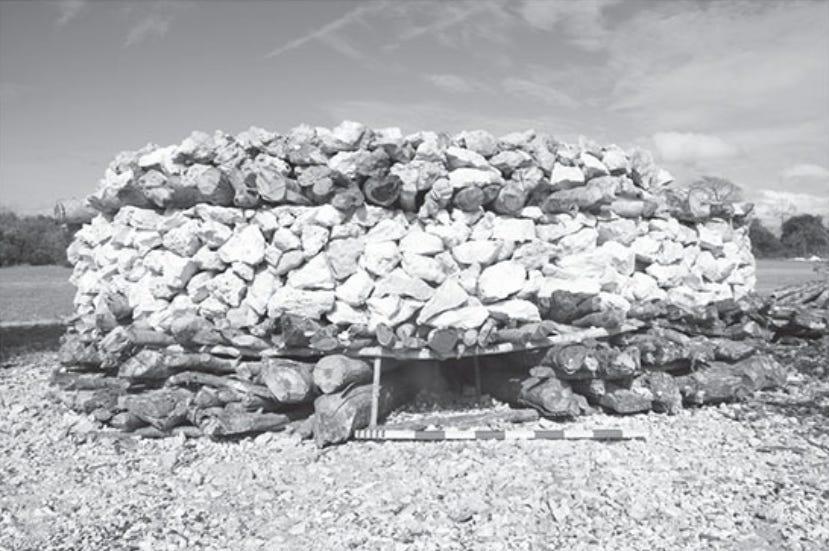
Image 1: A kiln for making lime cement used to bind the dry blocks of coral-rag in southern Tanzania. Image by S. Wynne-Jones
The walls were thick, thanks to the massive coral blocks, but the rooms were long and narrow due to the limited span of mangrove poles. Houses were often multi-storey, built close together in dense blocks with narrow alleys between them.
These homes featured sunken courtyards, internal bathrooms with stone drains leading into deep latrines, wall niches for ceramics, and multiple rooms - kitchens, storerooms, sleeping areas, and inner courts.
Building such complex homes required cooperation and shared planning, suggesting strong family and social bonds among residents.
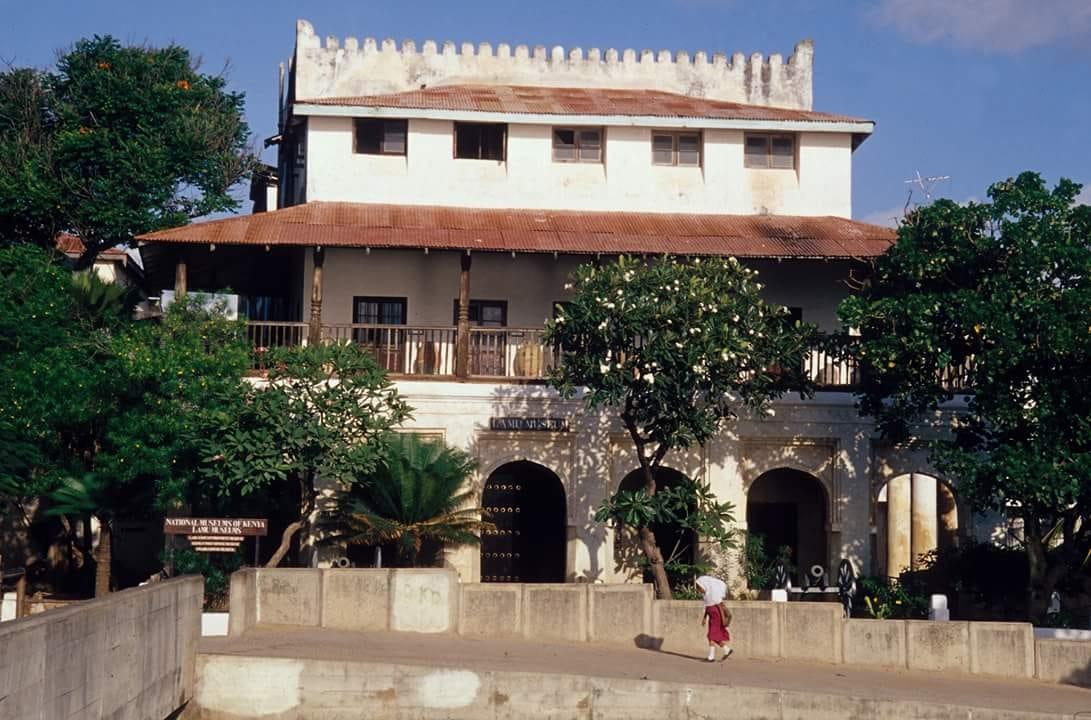
Image 2: exterior and interior of the ‘Swahili house museum’ an 18th-century Waungwana-type residence in Lamu that was restored recently.
Initially, mosques were only built as rectangular halls with stone columns.
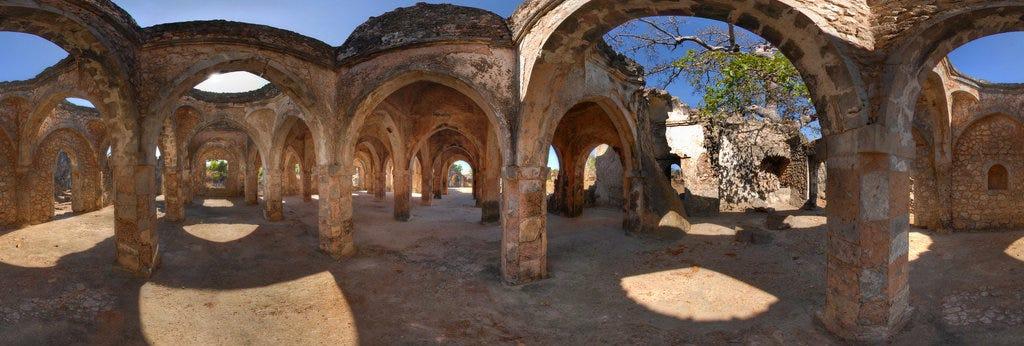
Image 3: Great Mosque of Kilwa. Image by 360Cities.
It was only in the 13th century that the residents of Mogadishu began constructing using vaults and cylindrical tower minarets. This style spread southwards to Kilwa, then to Mombasa and Zanzibar in later centuries.
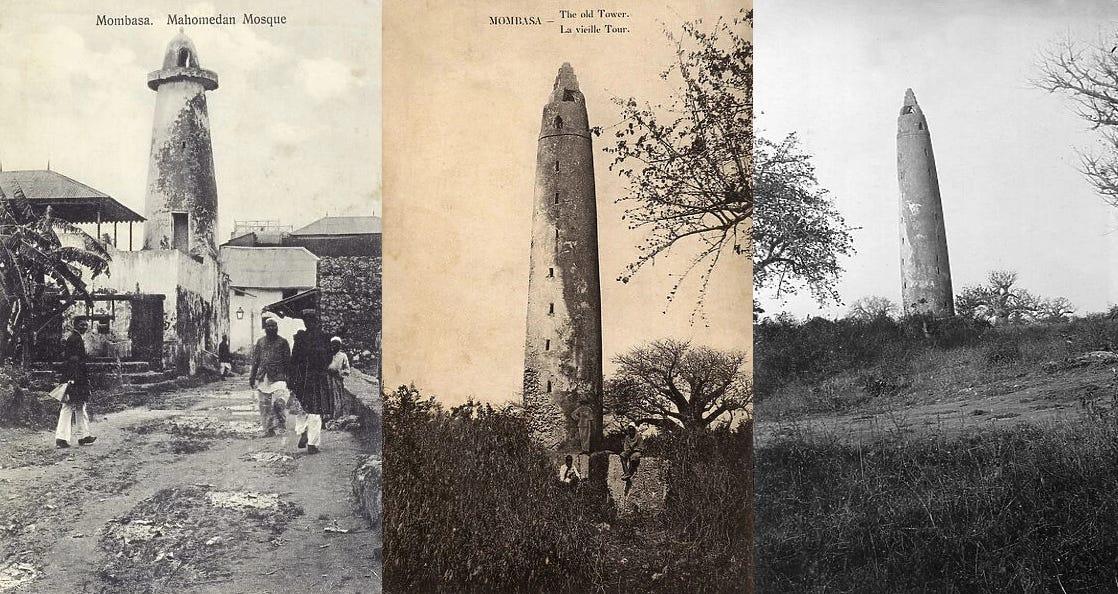
Image 4: The Basheikh Mosque and Minaret, ca. 1910, The Mbaraki Pillar, ca. 1909-1921, Mary Evans Picture Library.
These towns weren’t just fishing villages, but were the centre of the Indian Ocean trade where the Africans from the interior, the Arabs from the Arabian Peninsula, the Indians, the Chinese and the Persians traded in gold, ivory and slaves from the African interior, in exchange for ceramics, silk, glass beads, spices and coins from overseas.
Swahili doors weren’t just entrances. They were status symbols and storyboards. Their carvings blended Indian lotus flowers, Arab geometric stars, and Quranic inscriptions, each symbol carefully chosen to express purity, protection, and prosperity.
🚪 A door could tell you a person’s faith, wealth, and lineage.
It was at this same time, in the 15th Century, when Chinese fleets under Zheng He crisscrossed the Indian Ocean. The missions were diplomatic rather than commercial, but many exchanges of gifts and produce were made, mostly silk and porcelain.
But it wasn’t only the goods being traded, but also their culture.
The architecture, for example, was a blend of African, Arabic and Persian influences.
Lamu, Kenya’s oldest living Swahili town, has no cars. Its winding alleys were designed for donkeys, not engines. Yet the town’s architecture has remained nearly unchanged for 700 years, making it one of the world’s best-preserved examples of traditional urban design.
🐴 In Lamu, time moves at the pace of a donkey.
By the 19th century, the tide had turned. The arrival of European powers redrew the maps of trade and authority, and the proud Swahili cities began to fall silent. Markets emptied, coral walls weathered, and centuries of ocean-born prosperity slowly faded beneath colonial footprints.
And yet in that very period of decline, new Swahili houses rose. Built from the same coral and lime, they carried whispers of an old confidence. The carved doors, the inner courtyards, the shaded verandahs all spoke of a people unwilling to let their story end.
Modern Swahili architecture still bears that inheritance. The designs may have changed, glass replacing coral, cement taking the place of lime, but the rhythm remains the same: open courtyards, narrow lanes, and doorways that still tell stories in wood.
The ruins that remain along the coast are not just broken stones; they are pages from a living book. They remind us that before the world came to trade with Africa, Africa was already trading with the world.
Stroll through Lamu, Kilwa, or Zanzibar, and you’ll hear it. The hush of coral underfoot, the call of the sea, the ghosts of merchants and poets carried by the wind.
These aren’t ruins to mourn; they are relics that breathe. Each wall, each archway, each carving hums with memory of hands that built, of tides that connected, of a people who turned coral into culture.
The Swahili coast endures not as a relic, but as living proof that history built with soul never fades.
Further Reading
The Travels of Ibn Battuta - his firsthand impressions of Kilwa (1331).
Kilwa, the complete chronological history of an East-African emporium: 800-1842 – a detailed archaeological timeline.
The Ancient City Of Kilwa Kisiwani - The 5th Oldest Port City in the World
Join the Lughayangu Community!