Africa’s coastline carries stories most people never hear about.
Not the stories in tourism brochures and postcard beaches.
The darker stories.
Stories of ships swallowed by storms. Ancient cities sinking beneath the sea. Sailors disappearing into desert fog. And entire fleets abandoned to rust along forgotten shores.
If you look closely enough, Africa’s coast almost feels like an enormous maritime graveyard, stretching from Egypt all the way down to Namibia and back up the Atlantic coast to Mauritania.
And somehow, every wreck tells you something about the continent itself.
Egypt’s Lost Cities Beneath the Sea
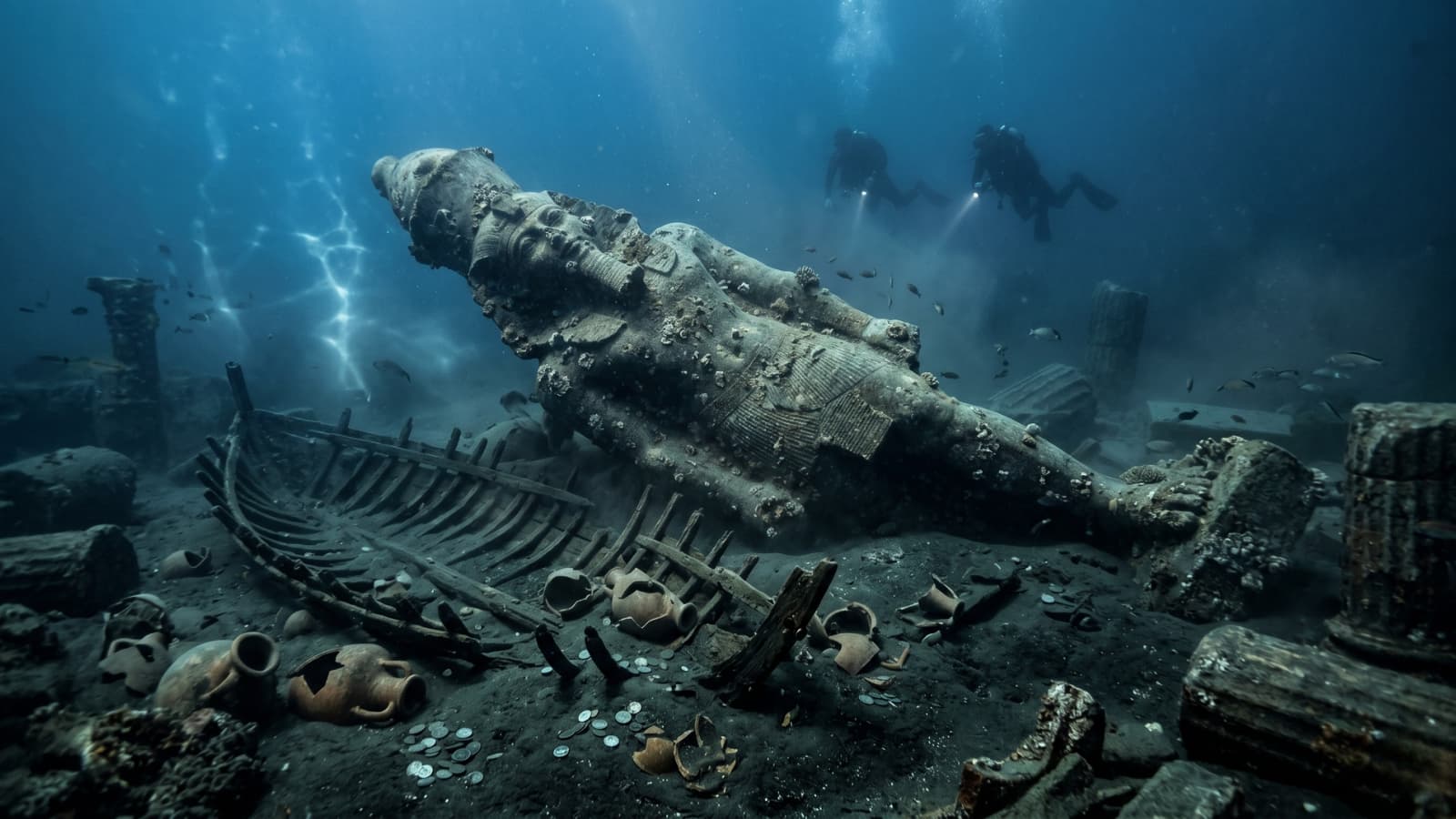
Off the coast of Alexandria, underwater archaeologists discovered something that sounds almost mythical: Entire ancient cities sitting beneath the Mediterranean.
For centuries, Thonis-Heracleion existed more like a legend than a real place. Ancient texts spoke of it as a powerful port city where traders, sailors, and merchants from across the Mediterranean passed through before entering the Nile.
Then the sea swallowed it.
Earthquakes, rising waters, and unstable ground slowly dragged parts of the city underwater over a thousand years ago.
Today, statues, temples, coins, and even shipwrecks still lie beneath the surface. More than 70 ancient vessels have already been discovered there.
And what’s fascinating is that these weren’t warships lost in battle. Most were ordinary cargo vessels; ships carrying grain, pottery, oils, and goods from different parts of the ancient world.
In many ways, those wrecks prove something historians have been saying for years: Ancient Africa was never isolated. Its coastlines were connected to global trade routes long before modern empires arrived.
Then Came the Cape of Storms
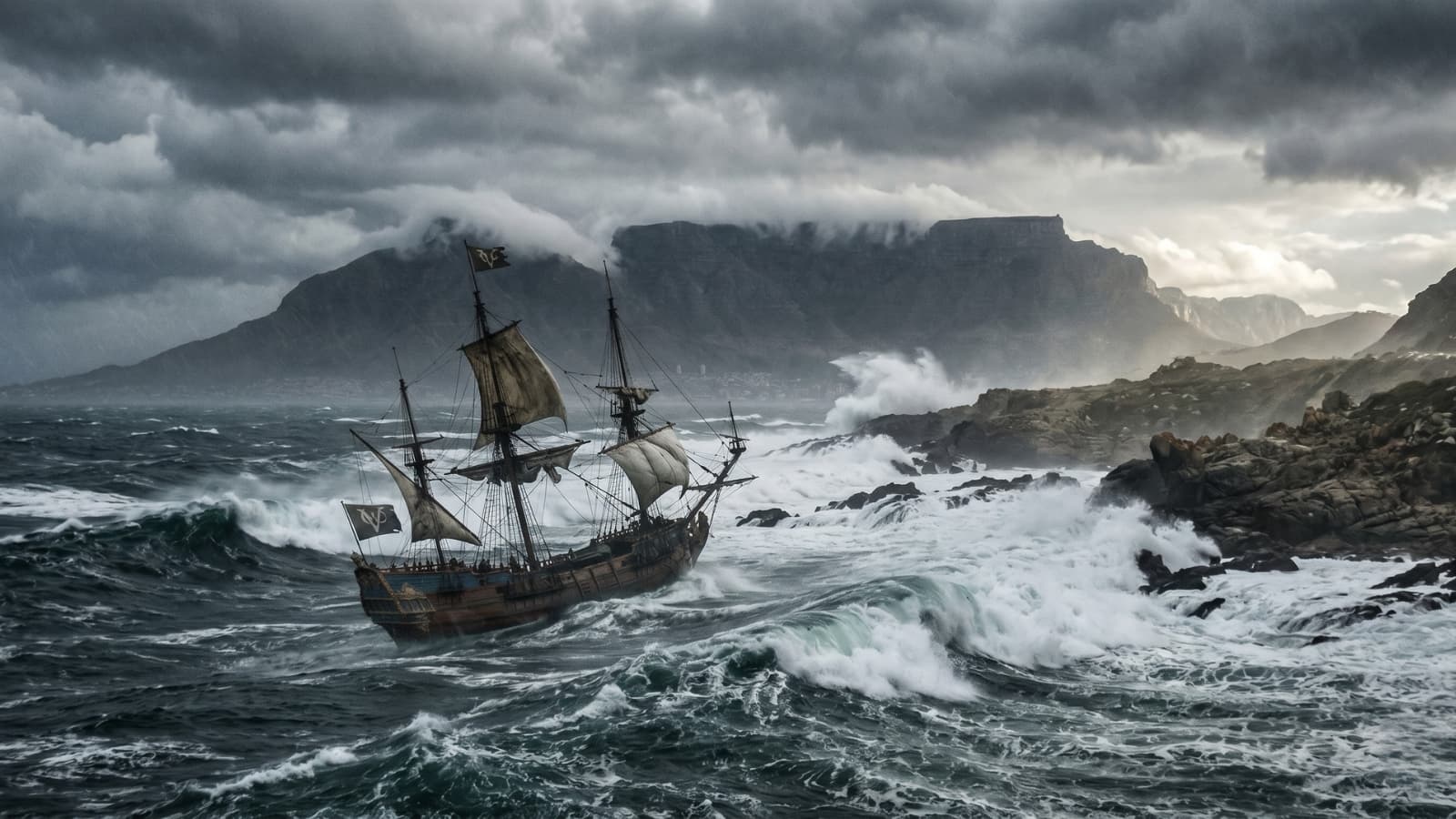
Thousands of kilometres south, the ocean becomes far less forgiving.
Before it was called the Cape of Good Hope, Portuguese sailors called it the Cape of Storms. And honestly, the original name makes more sense.
The waters around South Africa’s Cape Peninsula are violent. Cold Atlantic currents collide with warmer Indian Ocean waters while storms appear almost without warning. For centuries, ships trying to reach India or return to Europe had to pass through these waters.
Many never made it.
More than 450 recorded shipwrecks lie around Table Bay alone. Some wrecks became so important that they literally changed history.
One of them was the Haarlem, a Dutch ship that wrecked near the Cape in 1647. Survivors stayed onshore for months while waiting for rescue, and during that time, the Dutch East India Company realised something important: they needed a permanent settlement there.
That shipwreck indirectly helped lead to the founding of Cape Town.
Which is strange to think about. A disaster at sea helped create one of Africa’s most famous cities.
Where Surviving the Wreck Meant Nothing
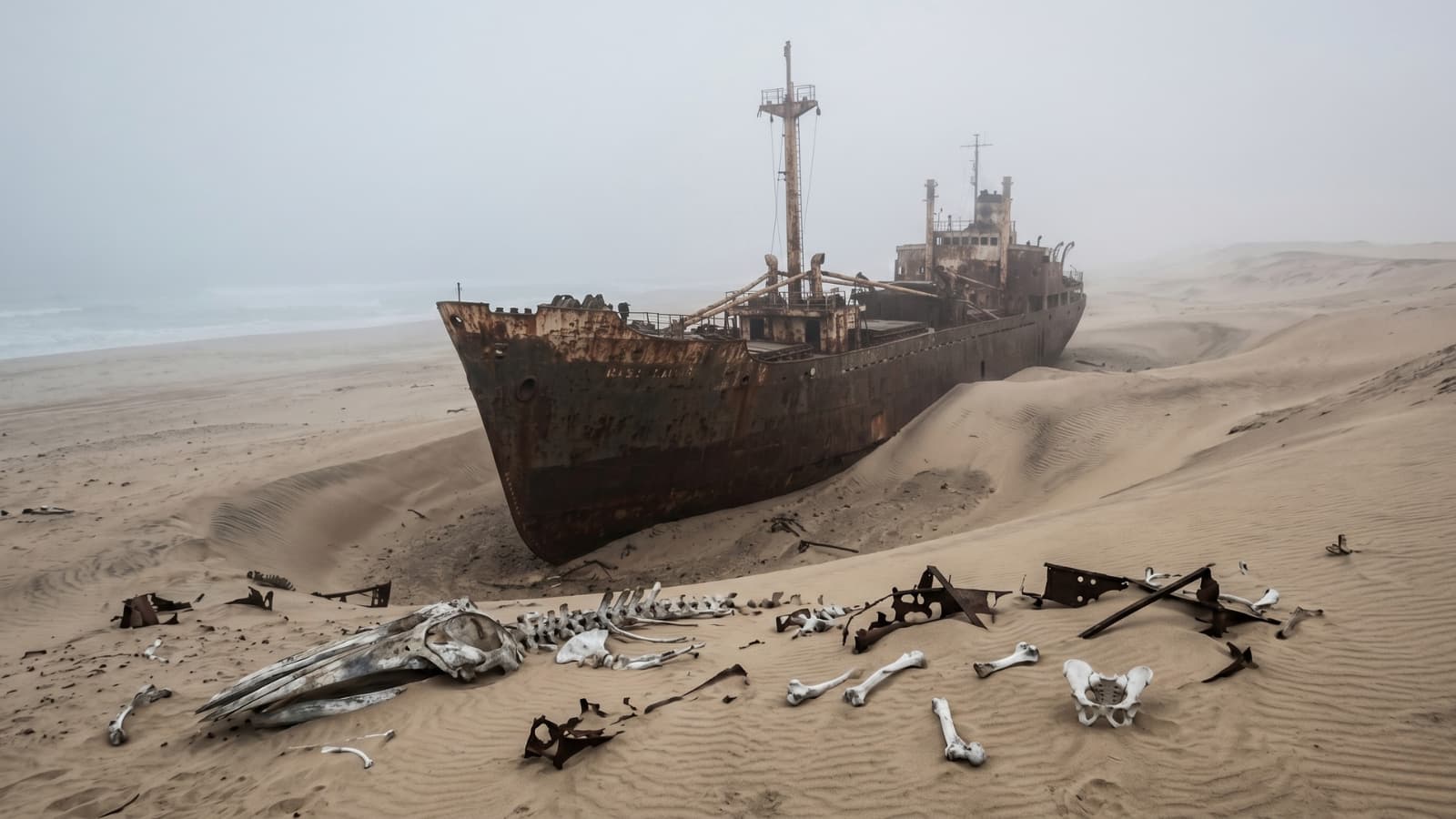
Then there’s Namibia’s Skeleton Coast. Probably one of the most haunting places on earth.
The name alone already tells you enough.
The coastline is covered in thick fog for much of the year because freezing Atlantic currents clash with the blazing desert heat. Sailors often couldn’t see land until it was too late. Ships crashed into sandbanks and disappeared into the dunes.
And the terrifying part was this: even if you survived the wreck, you still had to survive the desert.
Many didn’t.
The coastline became scattered with rusting wrecks and human bones, which is partly how it earned its name.
Even today, some shipwrecks still sit stranded in the sand like they were frozen in time. Nature never fully gave them back.
The Human Toll at Nouadhibou
Whereas the Skeleton Coast was defined by the cruelty of nature, Mauritania was defined by the choices of men.
Nouadhibou didn’t happen because nature won. It happened because people allowed it to happen.
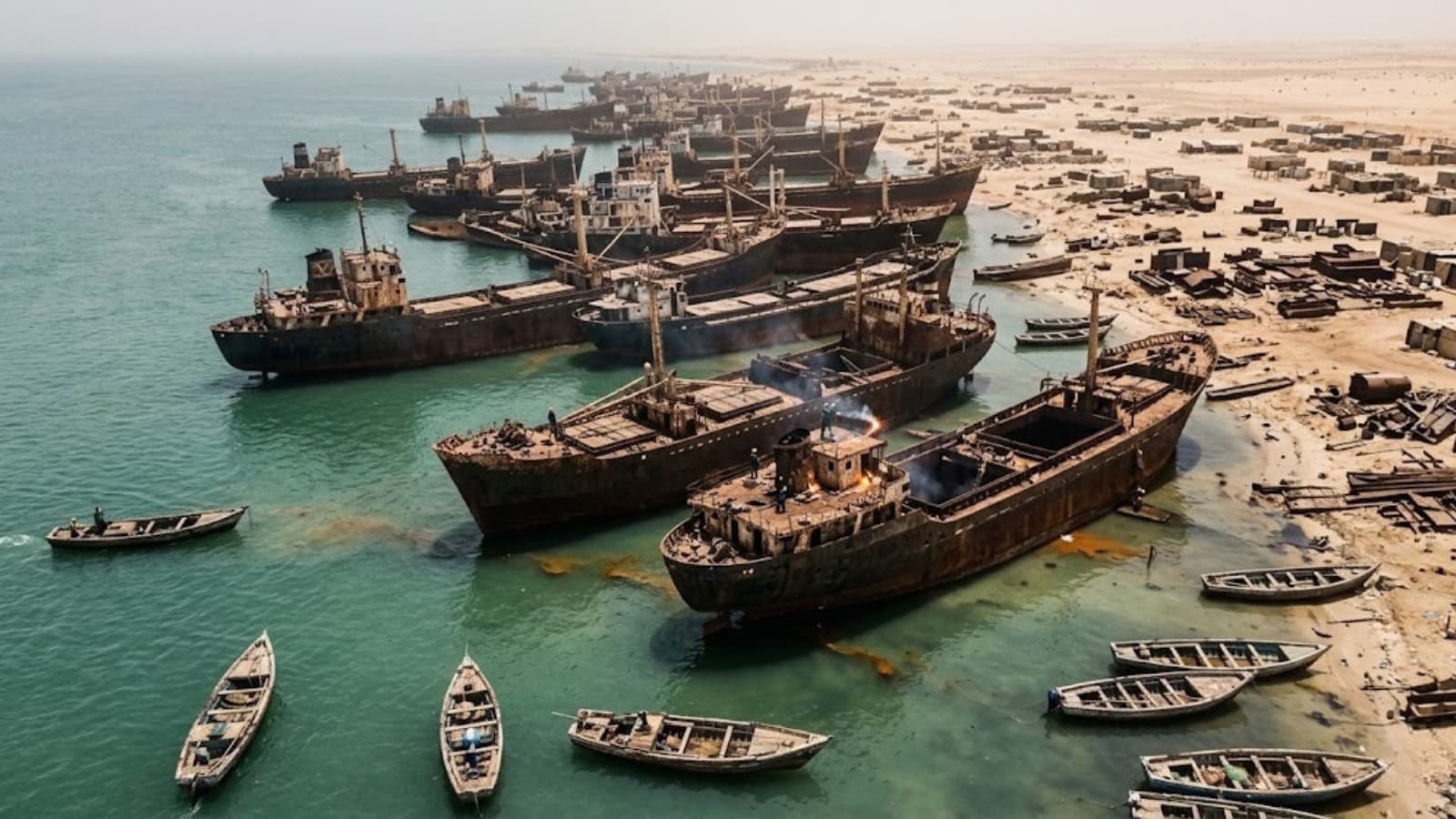
On the coast of Mauritania sits what used to be the world’s largest ship graveyard. A place where ships weren’t wrecked accidentally, but abandoned deliberately.
For years, old cargo ships, fishing trawlers, and oil vessels arrived there from different parts of the world and were simply left behind. Some owners couldn’t afford repairs anymore. Others wanted to avoid the massive cost of dismantling ships legally.
And local corruption made everything easier.
Instead of properly scrapping old vessels, ship owners could pay bribes, dump the ships in Nouadhibou Bay, and walk away.
So the graveyard kept growing. One ship became ten. Ten became fifty. Eventually, there were hundreds.
From above, the bay looked unreal. Giant rusting vessels floating in shallow turquoise water like the remains of some industrial civilization that had collapsed overnight.
But like many things in Africa, even decay became an economy.
Local workers paddled out to the abandoned ships in small wooden boats carrying blowtorches and metal cutters. They stripped the vessels apart by hand.
Steel. Copper wiring. Engines. Anything valuable.
It was dangerous work. Some ships leaked toxic chemicals. Others were structurally unstable and could collapse without warning. But when jobs are scarce, danger becomes part of survival. Entire communities ended up depending on the graveyard.
And in one of the strangest twists, the wrecks slowly began creating marine life too. Fish gathered around the submerged ships. Barnacles covered the steel hulls. Corals and sea creatures moved into the ruins.
The graveyard became both poison and shelter at the same time, an environmental disaster that accidentally created artificial reefs.
Africa’s Coastline Remembers Everything
Maybe that’s what makes these shipwreck stories so fascinating. They’re never just about ships.
The wrecks off Alexandria tell the story of ancient African trade and forgotten civilizations. The Cape’s wrecks tell the story of colonial expansion and survival. The Skeleton Coast tells the story of nature’s absolute power. Nouadhibou tells the story of corruption, ingenuity, and global waste.
But together, they form one long story written across Africa’s coastline. A sweeping epic of ambition, trade, greed, and empire.
A story of survival.
And the sea, quietly keeping the memory of all of it.
Today in African History
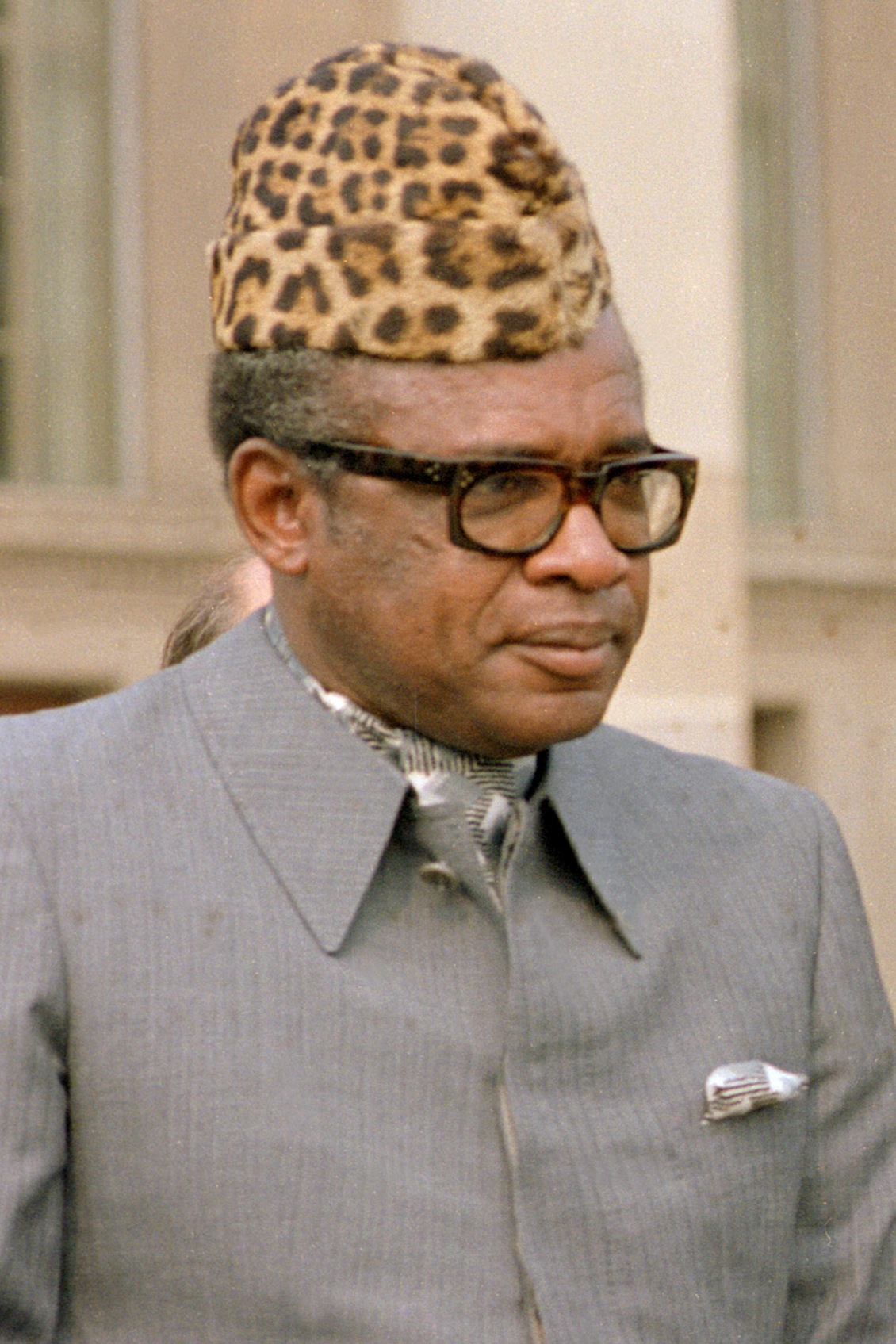 |
🏛️ 1966 🇨🇩 Democratic Republic of the Congo
President Mobutu Sese Seko publicly executes Évariste Kimba, former Congolese Prime Minister, and other politicians in Kinshasa. |
Join the Lughayangu Community!