Searching...
January
01

Today in African History

Historical Events

178
  • πŸ“ˆ 1869 (c.) The Beylik of Tunis establishes the International Financial Commission, placing the country's public finances under direct British, French, and Italian control. πŸ‡ΉπŸ‡³ Tunisia
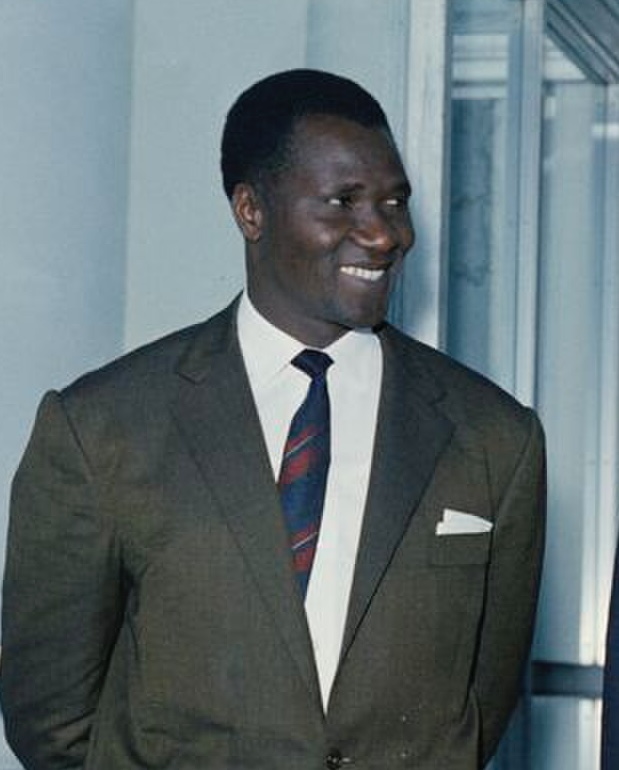
  • πŸ›οΈ 1917 (c.) Joseph Murumbi sent by his father to India at age six, attending the Good Shepherd Convent School and St. Joseph's High School in Bangalore, and later St. Pancras European Boys High School in Bellary. India
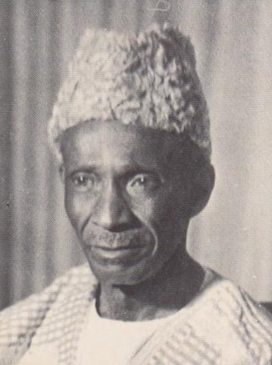
  • Albert Luthuli
    🎭 1922 (c.) πŸ‡ΏπŸ‡¦ South Africa
    Albert Luthuli becomes one of the first African instructors at Adams College upon finishing his higher teacher training.
  • Mbiyu Koinange
    πŸ›οΈ 1927 (c.) πŸ‡°πŸ‡ͺ Kenya
    Mbiyu Koinange travels to the United States for higher education, escaping the missionary-controlled colonial school system of Kenya.
  • Milton Margai
    πŸ”¬ 1928 πŸ‡ΈπŸ‡± Sierra Leone
    Milton Margai returns to Sierra Leone as the Protectorate's first indigenous medical doctor and enters the Colonial Medical Service.
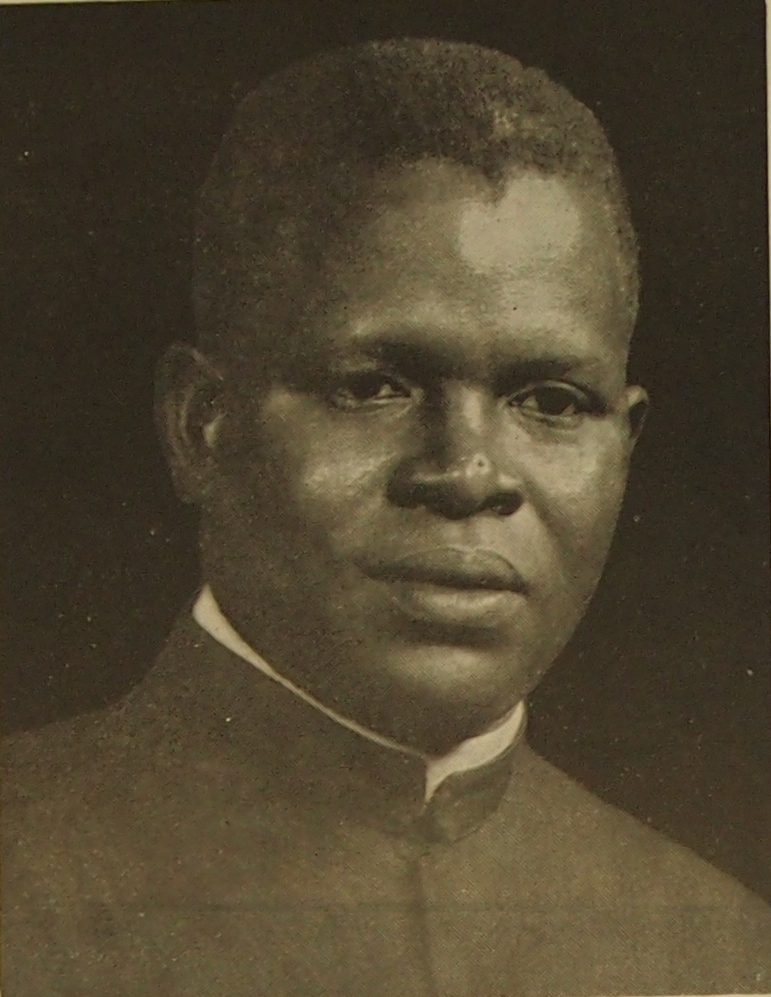
  • Fulbert Youlou
    πŸ•Œ 1929 πŸ‡¨πŸ‡¬ Republic of the Congo
    AbbΓ© Fulbert Youlou enters the Petit SΓ©minaire of Brazzaville, beginning formal Catholic religious training that shapes his later political identity.
  • Milton Margai
    πŸ—³οΈ 1930 (c.) πŸ‡ΈπŸ‡± Sierra Leone
    Milton Margai elected to the Bonthe District Council and later represents the region in the Protectorate Assembly.
  • Mbiyu Koinange
    🎭 1931 (c.) United States
    Mbiyu Koinange graduates from Virginia's Hampton Institute with a secondary and vocational diploma, absorbing the self-reliance pedagogy of Black American colleges.
  • πŸ›οΈ 1933 (c.) Joseph Murumbi returns to Kenya and formally renounces his colonial Asian classification, legally adopting his mother's surname and identifying as African, stripping himself of colonial privilege. πŸ‡°πŸ‡ͺ Kenya
  • πŸ›οΈ 1935 (c.) Joseph Murumbi begins work as a clerk in the Arab and African clerical service within the Kenya Medical Department, occupying the lowest tier of the colonial bureaucratic hierarchy. πŸ‡°πŸ‡ͺ Kenya
  • Mbiyu Koinange
    πŸ”¬ 1936 (c.) United States
    Mbiyu Koinange completes a postgraduate Certificate in Education at Columbia University, becoming the first Kenyan African to hold a postgraduate qualification.
  • Mbiyu Koinange
    πŸ›οΈ 1936 (c.) United Kingdom
    Mbiyu Koinange pursues postgraduate research at St. John's College, Cambridge, as a Rhodes Scholar, analyzing imperial pedagogy from within elite British networks.
  • Mbiyu Koinange
    🎭 1937 (c.) πŸ‡°πŸ‡ͺ Kenya
    Mbiyu Koinange earns a Teachers Diploma from the University of London Institute of Education before returning home to organize independent African schooling.
  • Charles Njonjo
    πŸ›οΈ 1939 (c.) πŸ‡ΊπŸ‡¬ Uganda
    Charles Njonjo attends King's College Budo in Uganda, a premier school for the children of East African royalty and elites, alongside his brother James.
  • Mbiyu Koinange
    🎭 1939 (c.) πŸ‡°πŸ‡ͺ Kenya
    Mbiyu Koinange returns to Kenya and founds the Kenya Teachers College at Githunguri to train teachers for the independent Kikuyu school movement, defying the missionary monopoly on education.
  • Paul Ngei
    πŸ›οΈ 1940 (c.) πŸ‡°πŸ‡ͺ Kenya
    Paul Ngei enlists in the King's African Rifles and serves in Abyssinia and Burma during World War II.
  • Godfrey Binaisa
    πŸ›οΈ 1940 (c.) πŸ‡ΊπŸ‡¬ Uganda
    Godfrey Binaisa expelled from Makerere College and banished from Kampala by the colonial government for organizing campaigns against the British colonial war effort.
  • πŸ›οΈ 1941 (c.) Joseph Murumbi relocates to Somalia, securing a clerical post with the British Military Administration in search of professional independence. πŸ‡ΈπŸ‡΄ Somalia
  • Oliver Tambo
    πŸ›οΈ 1942 (c.) πŸ‡ΏπŸ‡¦ South Africa
    Oliver Tambo expelled from the University of Fort Hare for organizing student protests as Beda Hall Students' Committee chairperson.
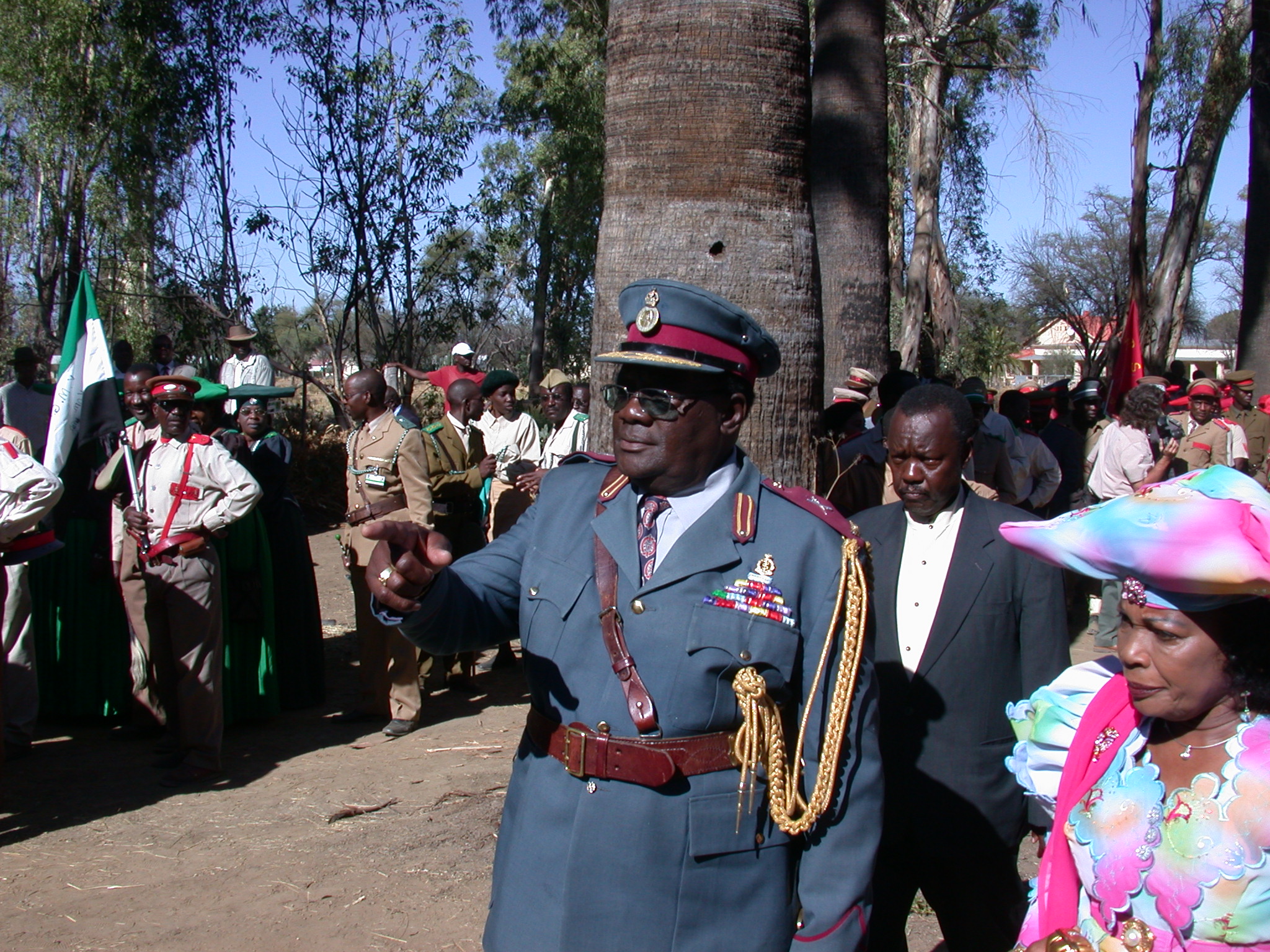
  • Clemens Kapuuo
    πŸ›οΈ 1944 (c.) πŸ‡³πŸ‡¦ Namibia
    Clemens Kapuuo teaches at primary schools in Waterberg and Karibib between 1944 and 1945, establishing early networks within rural Hereroland.
  • Oginga Odinga
    πŸ“ˆ 1945 (c.) πŸ‡°πŸ‡ͺ Kenya
    Richard Achieng Oneko establishes the Luo Thrift and Trading Corporation (LUTATCO) with Jaramogi Oginga Odinga to challenge European and Asian commercial hegemony in Nyanza.
  • Ahmed SΓ©kou TourΓ©
    πŸ›οΈ 1945 (c.) πŸ‡¬πŸ‡³ Guinea
    Ahmed SΓ©kou TourΓ© founds the Post and Telecommunications Workers' Union, Guinea's first trade union, becoming its general secretary the following year.
  • Clemens Kapuuo
    πŸ›οΈ 1946 (c.) πŸ‡³πŸ‡¦ Namibia
    Clemens Kapuuo co-founds the African Improvement Society and begins teaching English at St. Barnabas, fostering urban political consciousness in Windhoek.
  • Charles Njonjo
    πŸ›οΈ 1946 (c.) πŸ‡ΏπŸ‡¦ South Africa
    Charles Njonjo graduates from Fort Hare University in South Africa with a Bachelor's degree in English and South African Law.
  • Jomo Kenyatta
    πŸ›οΈ 1946 (c.) πŸ‡°πŸ‡ͺ Kenya
    Mbiyu Koinange's sister Grace Wanjiku marries Jomo Kenyatta as his third wife, binding the Koinange lineage directly to Kenya's future president.
  • Jomo Kenyatta
    πŸ›οΈ 1946 (c.) πŸ‡°πŸ‡ͺ Kenya
    Mbiyu Koinange hosts Jomo Kenyatta at Githunguri on his return from England and appoints him vice-principal of the Kenya Teachers College, forging a lasting political alliance.
  • Jomo Kenyatta
    πŸ›οΈ 1946 (c.) πŸ‡°πŸ‡ͺ Kenya
    J. M. Kariuki attends a political rally in Nakuru where Jomo Kenyatta denounces British colonial rule, shaping Kariuki's anti-colonial politics.
  • J. M. Kariuki
    πŸ“ˆ 1946 (c.) πŸ‡°πŸ‡ͺ Kenya
    J. M. Kariuki wins a horse-racing bet at the Nakuru Races and uses the money to resume his interrupted education.
  • Richard Achieng Oneko
    πŸ›οΈ 1947 (c.) πŸ‡°πŸ‡ͺ Kenya
    Richard Achieng Oneko co-founds the Ramogi Press in Nairobi and launches Ramogi, a bi-weekly Dholuo newspaper that becomes a vital platform for anti-colonial agitation.
  • Paul Ngei
    πŸ›οΈ 1947 (c.) πŸ‡°πŸ‡ͺ Kenya
    Paul Ngei joins the Kenya African Union and becomes editor of Sauti ya Mwafrika, promoting anti-colonial land reform campaigns.
  • Godfrey Binaisa
    πŸ›οΈ 1947 (c.) πŸ‡ΊπŸ‡¬ Uganda
    Godfrey Binaisa campaigns against British protectorate policies through the Bataka movement, protesting unequal land distribution and the lack of representative governance.
  • πŸ›οΈ 1948 (c.) Joseph Murumbi rises to the position of Deputy Controller of Imports and Exports in Somalia, a senior post normally reserved for European officials. πŸ‡ΈπŸ‡΄ Somalia
  • Robert Mugabe
    πŸ”¬ 1948 (c.) πŸ‡ΏπŸ‡¦ South Africa
    Njoroge Mungai studies hygiene at the University of Fort Hare in South Africa, alongside future leaders Robert Mugabe and Mangosuthu Buthelezi.
  • Tom Mboya
    πŸ›οΈ 1948 (c.) πŸ‡°πŸ‡ͺ Kenya
    Tom Mboya enters the Royal Sanitary Institute’s Medical Training School in Nairobi and later wins election as president of the student council at the Jeanes School in Kabete.
  • Milton Margai
    πŸ”¬ 1948 πŸ‡ΈπŸ‡± Sierra Leone
    Milton Margai publishes "Welfare Work in a Secret Society" in African Affairs, documenting collaboration with the Sande society to modernize maternal healthcare.
  • Richard Achieng Oneko
    πŸ›οΈ 1949 (c.) πŸ‡°πŸ‡ͺ Kenya
    Richard Achieng Oneko relocates the Ramogi Press to Kisumu, embedding the publication within regional agrarian networks and coordinating local KAU branches.
  • Charles Njonjo
    πŸ›οΈ 1949 (c.) United Kingdom
    Charles Njonjo completes his studies in Public Administration at the University College of the South West of England at Exeter.
  • Clemens Kapuuo
    πŸ›οΈ 1950 (c.) πŸ‡³πŸ‡¦ Namibia
    Clemens Kapuuo serves as President of the South West Africa Coloured Teachers' Association from 1950 to 1953, challenging discriminatory colonial education policies.
  • Tom Mboya
    πŸ›οΈ 1950 (c.) πŸ‡°πŸ‡ͺ Kenya
    Tom Mboya qualifies as a sanitary inspector and secures employment with the Nairobi City Council, where he begins organizing African municipal workers.
  • Milton Margai
    πŸ›οΈ 1950 πŸ‡ΈπŸ‡± Sierra Leone
    Milton Margai retires from the Colonial Medical Service to dedicate himself fully to political organization and constitutional reform.
  • Richard Achieng Oneko
    πŸ›οΈ 1951 (c.) πŸ‡°πŸ‡ͺ Kenya
    Richard Achieng Oneko travels to London with Mbiyu Koinange to lobby British political figures and present a formal petition on land dispossession to the United Nations.
  • Paul Ngei
    ✊ 1951 (c.) πŸ‡°πŸ‡ͺ Kenya
    Paul Ngei takes the Mau Mau oath and deepens his alignment with Kenya's armed anti-colonial struggle.
  • Paul Ngei
    🎭 1951 (c.) United Kingdom
    Paul Ngei appears in the British adventure film Where No Vultures Fly during his rise as a nationalist figure.
  • Agostinho Neto
    🎭 1951 (c.) Portugal
    Agostinho Neto co-founds the clandestine Centro de Estudos Africanos in Lisbon, promoting a distinct African cultural identity in the metropole.
  • Albert Luthuli
    πŸ›οΈ 1951 (c.) πŸ‡ΏπŸ‡¦ South Africa
    Albert Luthuli defeats A.W.G. Champion to become the Natal provincial president of the African National Congress.
  • Richard Achieng Oneko
    πŸ›οΈ 1952 (c.) πŸ‡°πŸ‡ͺ Kenya
    Richard Achieng Oneko appointed Secretary General of the Kenya African Union (KAU), coordinating regional mobilization during escalating rural militancy.
  • Njoroge Mungai
    πŸ”¬ 1952 (c.) United States
    Njoroge Mungai earns a Bachelor of Arts in Biology from Stanford University in California.
  • Charles Njonjo
    πŸ›οΈ 1952 (c.) πŸ‡°πŸ‡ͺ Kenya
    Charles Njonjo called to the Bar at Gray's Inn, becoming only the second African barrister in Kenya's history after C.M.G. Argwings-Kodhek.
  • Tom Mboya
    πŸ›οΈ 1952 (c.) πŸ‡°πŸ‡ͺ Kenya
    Tom Mboya elected president of the African Staff Association and transforms it into the Kenya Local Government Workers' Union.
  • Jawaharlal Nehru
    πŸ›οΈ 1953 (c.) πŸ‡°πŸ‡ͺ Kenya
    Joseph Murumbi lobbies Indian Prime Minister Jawaharlal Nehru and broadcasts regularly on All India Radio to raise international awareness of British military excesses in Kenya.
  • Paul Ngei
    πŸ›οΈ 1953 (c.) πŸ‡°πŸ‡ͺ Kenya
    Paul Ngei convicted in the Kapenguria Trial and sentenced to seven years of hard labor and indefinite restriction.
  • Tom Mboya
    πŸ›οΈ 1953 (c.) πŸ‡°πŸ‡ͺ Kenya
    Tom Mboya resigns from the Nairobi City Council to devote himself fully to trade union leadership and anti-colonial organizing.
  • Tom Mboya
    πŸ›οΈ 1953 (c.) πŸ‡°πŸ‡ͺ Kenya
    Tom Mboya assumes leadership of the Kenya Federation of Registered Trade Unions, later renamed the Kenya Federation of Labor, using labor unions as a legal platform for nationalist politics.
  • J. M. Kariuki
    πŸ›οΈ 1953 (c.) πŸ‡°πŸ‡ͺ Kenya
    J. M. Kariuki arrested by British colonial authorities for Mau Mau activities and detained without trial.
  • Gamal Abdel Nasser
    πŸ›οΈ 1954 (c.) πŸ‡°πŸ‡ͺ Kenya
    Joseph Murumbi engages with Egyptian nationalists including Gamal Abdel Nasser in Cairo, mobilizing Afro-Asian networks against British colonialism in Kenya.
  • Kenneth Kaunda
    πŸ›οΈ 1954 (c.) United Kingdom
    Joseph Murumbi settles in London, working as a translator and clerk for the Moroccan Embassy while collaborating with pan-African networks including Julius Nyerere, Kenneth Kaunda, and Milton Obote.
  • Mbiyu Koinange
    πŸ›οΈ 1955 (c.) United States
    Mbiyu Koinange publishes The People of Kenya Speak for Themselves in Detroit, recasting the Mau Mau uprising as a legitimate struggle for land recovery and national sovereignty.
  • Tom Mboya
    πŸ›οΈ 1955 (c.) United Kingdom
    Tom Mboya studies industrial management and political science at Ruskin College, Oxford, building international labor and political networks.
  • Yusufu Lule
    πŸ›οΈ 1955 (c.) πŸ‡ΊπŸ‡¬ Uganda
    Yusufu Lule appointed Minister of Education and Community Development, becoming the first African to attain ministerial rank in colonial Uganda.
  • Ahmed SΓ©kou TourΓ©
    πŸ—³οΈ 1956 France
    Ahmed SΓ©kou TourΓ© elected as a deputy to the French National Assembly in Paris, using the platform to critique colonial policy.
  • Tom Mboya
    πŸ›οΈ 1957 (c.) πŸ‡°πŸ‡ͺ Kenya
    Tom Mboya establishes the Nairobi People's Convention Party to mobilize urban Africans and demand immediate independence.
  • Ahmed SΓ©kou TourΓ©
    πŸ›οΈ 1957 (c.) πŸ‡¬πŸ‡³ Guinea
    Ahmed SΓ©kou TourΓ© organizes the Union GΓ©nΓ©rale des Travailleurs d'Afrique Noire (UGTAN) as an autonomous pan-African trade union center independent of French structures.
  • Ahmed SΓ©kou TourΓ©
    πŸ›οΈ 1957 (c.) πŸ‡¬πŸ‡³ Guinea
    Ahmed SΓ©kou TourΓ© appointed Vice President of the Executive Council of Guinea, effectively prime minister, and moves to abolish traditional chieftaincies in favor of over 4,000 elected village councils.
  • Chris Hani
    πŸ›οΈ 1957 (c.) πŸ‡ΏπŸ‡¦ South Africa
    Chris Hani joins the African National Congress Youth League (ANCYL) at the Lovedale Institute in the Eastern Cape.
  • Jomo Kenyatta
    πŸ›οΈ 1958 (c.) πŸ‡°πŸ‡ͺ Kenya
    Rawson Macharia signs an affidavit admitting that colonial authorities bribed him to fabricate testimony against Jomo Kenyatta.
  • Njoroge Mungai
    πŸ”¬ 1958 (c.) United States
    Njoroge Mungai completes post-graduate clinical training at Columbia University in New York.
  • Milton Margai
    πŸ›οΈ 1958 πŸ‡ΈπŸ‡± Sierra Leone
    Milton Margai narrowly defeats Albert Margai in an internal SLPP leadership contest that exposes ideological divisions within the independence movement.
  • Kwame Nkrumah
    πŸ›οΈ 1958 (c.) πŸ‡¬πŸ‡­ Ghana
    Oscar Kambona attends the All-African People's Conference in Ghana, where he meets Kwame Nkrumah and connects with Pan-Africanist theorist George Padmore.
  • AmΓ­lcar Lopes Cabral
    πŸ›οΈ 1958 (c.) πŸ‡¬πŸ‡­ Ghana
    AmΓ­lcar Lopes Cabral attends the All-African People's Conference in Accra, Ghana, to secure continental alliances for national liberation.
  • Oliver Tambo
    πŸ›οΈ 1958 (c.) πŸ‡ΏπŸ‡¦ South Africa
    Oliver Tambo becomes the Deputy President of the African National Congress.
  • Richard Achieng Oneko
    πŸ›οΈ 1959 (c.) πŸ‡°πŸ‡ͺ Kenya
    Richard Achieng Oneko's detention order suspended and he is transferred to restricted township residence in Marsabit under police surveillance.
  • Jomo Kenyatta
    πŸ›οΈ 1959 (c.) πŸ‡°πŸ‡ͺ Kenya
    British colonial courts convict Rawson Macharia of perjury after he retracts his testimony against Jomo Kenyatta.
  • Njoroge Mungai
    πŸ”¬ 1959 (c.) πŸ‡°πŸ‡ͺ Kenya
    Njoroge Mungai returns to Kenya and establishes a network of private and mobile clinics in Thika, Embu, and Riruta to serve underserved African populations.
  • Kwame Nkrumah
    πŸ›οΈ 1959 (c.) πŸ‡¬πŸ‡­ Ghana
    Mbiyu Koinange relocates to Accra to direct the Bureau of African Affairs under Ghanaian President Kwame Nkrumah, working alongside Pan-African strategist George Padmore.
  • Tom Mboya
    πŸ›οΈ 1959 (c.) United States
    Tom Mboya co-founds the African-American Students Foundation to finance higher education opportunities for East African students abroad.
  • Milton Margai
    πŸ›οΈ 1959 πŸ‡ΈπŸ‡± Sierra Leone
    Milton Margai forms a United Front coalition that reunites major political factions ahead of independence negotiations with Britain.
  • Yusufu Lule
    πŸ—³οΈ 1959 (c.) πŸ‡ΊπŸ‡¬ Uganda
    Yusufu Lule, nominated by the Democratic Party for Katikkiro of Buganda, loses the contest to Michael Kintu amid distrust of his Muslim heritage.
  • Godfrey Binaisa
    πŸ›οΈ 1959 (c.) πŸ‡ΊπŸ‡¬ Uganda
    Godfrey Binaisa issues an ultimatum demanding British withdrawal by January 1961 as a leader within the Uganda National Congress.
  • Clemens Kapuuo
    πŸ›οΈ 1960 (c.) πŸ‡³πŸ‡¦ Namibia
    Clemens Kapuuo appointed deputy chief and automatic successor to Hosea Kutako, resigns from teaching at St. Barnabas, and facilitates Sam Nujoma's escape into exile.
  • Njoroge Mungai
    πŸ›οΈ 1960 (c.) πŸ‡°πŸ‡ͺ Kenya
    Njoroge Mungai attends his first major political rallies at the invitation of Tom Mboya and Gikonyo Kiano and enters the nationalist movement to demand the release of political detainees from Central Province.
  • Jomo Kenyatta
    πŸ›οΈ 1960 (c.) πŸ‡°πŸ‡ͺ Kenya
    Njoroge Mungai joins fellow doctors to examine Jomo Kenyatta in colonial detention, disproving British reports of Kenyatta's cognitive and physical decline.
  • Tom Mboya
    🏴 1960 (c.) πŸ‡°πŸ‡ͺ Kenya
    Tom Mboya heads KANU delegations at the Lancaster House Conferences, negotiating constitutional terms for Kenyan independence.
  • J. M. Kariuki
    πŸ›οΈ 1960 (c.) πŸ‡°πŸ‡ͺ Kenya
    J. M. Kariuki released from colonial detention camps after seven years of imprisonment and forced labor.
  • Ahmed SΓ©kou TourΓ©
    πŸ›οΈ 1960 (c.) πŸ‡¬πŸ‡³ Guinea
    Ahmed SΓ©kou TourΓ© declares the PDG the sole legal political party, formally consolidating a single-party state.
  • Godfrey Binaisa
    πŸ›οΈ 1960 (c.) πŸ‡ΊπŸ‡¬ Uganda
    Godfrey Binaisa pardoned by the colonial government in return for campaigning against Bugandan secession, alienating his pro-Buganda father.
  • Jomo Kenyatta
    πŸ›οΈ 1961 (c.) πŸ‡°πŸ‡ͺ Kenya
    Joseph Murumbi returns to Kenya following the Lancaster House Conference and the lifting of his travel ban, becoming a key advisor to Jomo Kenyatta and managing the pro-independence publication Sauti Ya Mwafrika.
  • Paul Ngei
    πŸ›οΈ 1961 (c.) πŸ‡°πŸ‡ͺ Kenya
    Paul Ngei released from colonial restrictions and returns to nationalist politics with massive support in Ukambani.
  • Jomo Kenyatta
    πŸ›οΈ 1961 (c.) πŸ‡°πŸ‡ͺ Kenya
    Njoroge Mungai becomes Jomo Kenyatta's personal physician, gaining trusted private access that bypasses official bureaucratic channels.
  • Ahmed SΓ©kou TourΓ©
    πŸ—³οΈ 1961 (c.) πŸ‡¬πŸ‡³ Guinea
    Ahmed SΓ©kou TourΓ© runs unopposed in the first single-candidate presidential ballot, a pattern repeated in 1968, 1974, and 1982.
  • Milton Margai
    πŸ›οΈ 1961 (c.) πŸ‡ΈπŸ‡± Sierra Leone
    Milton Margai appointed to the Privy Council of the United Kingdom following Sierra Leone's independence.
  • Holden Roberto
    πŸ›οΈ 1961 (c.) United States
    Holden Roberto secures an annual intelligence-gathering stipend from the United States National Security Council, initiating a covert funding relationship.
  • Jomo Kenyatta
    πŸ›οΈ 1962 (c.) United Kingdom
    Richard Achieng Oneko accompanies Jomo Kenyatta to the Second Lancaster House Conference in London to negotiate the constitutional framework for independent Kenya.
  • Mbiyu Koinange
    πŸ›οΈ 1962 (c.) πŸ‡ΉπŸ‡Ώ Tanzania
    Mbiyu Koinange moves to Dar es Salaam and becomes secretary-general of PAFMECSA, coordinating regional liberation movements toward a vision of African integration.
  • Milton Margai
    πŸ›οΈ 1962 πŸ‡ΈπŸ‡± Sierra Leone
    Milton Margai oversees constitutional amendments that restrict citizenship to people of negro African descent, reshaping Sierra Leonean nationality law.
  • Mobutu Sese Seko
    πŸ›οΈ 1962 (c.) πŸ‡¨πŸ‡© Democratic Republic of the Congo
    Holden Roberto marries the sister-in-law of Zairian General Mobutu Sese Seko, solidifying a strategic political and military alliance with Zaire.
  • Albert Luthuli
    🎭 1962 (c.) πŸ‡ΏπŸ‡¦ South Africa
    Albert Luthuli releases his autobiography, Let My People Go, outlining his theological and political vision of a non-racial society.
  • Jomo Kenyatta
    πŸ›οΈ 1963 (c.) πŸ‡°πŸ‡ͺ Kenya
    Charles Njonjo becomes the first Attorney General of independent Kenya, working under Prime Minister Jomo Kenyatta.
  • Kwame Nkrumah
    πŸ›οΈ 1963 (c.) πŸ‡°πŸ‡ͺ Kenya
    Mbiyu Koinange takes office as Kenya's first Minister of State for Pan-African Affairs, aligning the young nation with Nkrumah's continental vision.
  • J. M. Kariuki
    🎭 1963 (c.) πŸ‡°πŸ‡ͺ Kenya
    J. M. Kariuki publishes "Mau Mau" Detainee: The Account by a Kenya African of His Experiences in Detention Camps, 1953-60 through Oxford University Press.
  • Ahmed SΓ©kou TourΓ©
    πŸ›οΈ 1963 (c.) πŸ‡ͺπŸ‡Ή Ethiopia
    Ahmed SΓ©kou TourΓ© becomes a founding father of the Organization of African Unity (OAU) in Addis Ababa.
  • Clemens Kapuuo
    πŸ›οΈ 1964 (c.) πŸ‡³πŸ‡¦ Namibia
    Clemens Kapuuo assumes the presidency of the newly founded National Unity Democratic Organisation (NUDO) after the Herero Chiefs' Council breaks with SWANU's radical left orientation.
  • Kuaima Riruako
    πŸ›οΈ 1964 (c.) πŸ‡³πŸ‡¦ Namibia
    Kuaima Riruako helps found the National Unity Democratic Organisation (NUDO) prior to departing South West Africa to organize external resistance against apartheid rule.
  • Kuaima Riruako
    πŸ›οΈ 1964 (c.) πŸ‡³πŸ‡¦ Namibia
    Kuaima Riruako joins a wave of approximately 154 political dissidents departing South West Africa, beginning a thirteen-year exile spanning Botswana, Ghana, Zambia, and the United States.
  • Kwame Nkrumah
    πŸ›οΈ 1964 (c.) πŸ‡¬πŸ‡­ Ghana
    Kwame Nkrumah consolidates power by declaring Ghana a one-party state under the Convention People's Party, criminalizing political opposition.
  • Charles Njonjo
    πŸ›οΈ 1964 (c.) πŸ‡°πŸ‡ͺ Kenya
    Charles Njonjo drafts and steers the constitutional amendments that turn Kenya into a republic, dismantling the majimbo regional structure and concentrating executive, administrative, and judicial power in the presidency.
  • Mbiyu Koinange
    πŸ›οΈ 1964 (c.) πŸ‡°πŸ‡ͺ Kenya
    Mbiyu Koinange becomes Minister for Education and folds the independent KISA and KKEA school networks into the state education system.
  • πŸ›οΈ 1964 Kenya Army soldiers at Lanet barracks mutiny and demand rapid Africanization of the officer corps after independence. πŸ‡°πŸ‡ͺ Kenya
  • Milton Margai
    πŸ“ˆ 1964 πŸ‡ΈπŸ‡± Sierra Leone
    Milton Margai's legacy enters national currency circulation as Sierra Leone introduces the leone featuring his portrait on coins and banknotes.
  • Yusufu Lule
    πŸ›οΈ 1964 (c.) πŸ‡ΊπŸ‡¬ Uganda
    Yusufu Lule appointed the first Black Principal of Makerere University College, leading the Africanization of higher education.
  • πŸ›οΈ 1965 (c.) Joseph Murumbi introduces the parliamentary bill that establishes the Kenya National Archives and Documentation Service while serving in the cabinet. πŸ‡°πŸ‡ͺ Kenya
  • Paul Ngei
    πŸ›οΈ 1965 (c.) πŸ‡°πŸ‡ͺ Kenya
    Paul Ngei becomes central to Kenya's first major post-independence corruption controversy during the maize scandal investigations.
  • Njoroge Mungai
    πŸ›οΈ 1965 (c.) πŸ‡°πŸ‡ͺ Kenya
    Njoroge Mungai transferred to the Ministry of Internal Security and Defence, where he directs the enlargement of the Kenya Army and the creation of the Kenya Air Force.
  • J. M. Kariuki
    πŸ›οΈ 1965 (c.) πŸ‡°πŸ‡ͺ Kenya
    J. M. Kariuki directs the National Youth Service and expands public works and youth employment programs across Kenya.
  • Jomo Kenyatta
    πŸ›οΈ 1966 (c.) πŸ‡°πŸ‡ͺ Kenya
    Achieng Oneko joins the Kenya People's Union after breaking with Jomo Kenyatta over Kenya's political direction.
  • Jomo Kenyatta
    πŸ›οΈ 1966 (c.) πŸ‡°πŸ‡ͺ Kenya
    Charles Njonjo recommends Daniel arap Moi to Jomo Kenyatta as Vice-President after Joseph Murumbi's resignation, forging an alliance that shapes Kenyan politics for decades.
  • Jomo Kenyatta
    πŸ›οΈ 1966 (c.) πŸ‡°πŸ‡ͺ Kenya
    Mbiyu Koinange assumes the post of Minister of State in the Office of the President, gaining de facto control over the police and internal security as Kenyatta's closest confidant.
  • Fulbert Youlou
    πŸ›οΈ 1966 πŸ‡¨πŸ‡¬ Republic of the Congo
    AbbΓ© Fulbert Youlou publishes 'J'accuse la Chine' in Madrid, warning against expanding Chinese communist influence in Central Africa.
  • Ahmed SΓ©kou TourΓ©
    πŸ›οΈ 1966 (c.) πŸ‡¬πŸ‡³ Guinea
    Ahmed SΓ©kou TourΓ© expels the US Peace Corps and withdraws into diplomatic isolation amid suspicions of CIA plots.
  • Akwasi Afrifa
    🎭 1966 (c.) United Kingdom
    Akwasi Amankwaa Afrifa publishes 'The Ghana Coup: 24th February 1966' in London, framing the intervention as a defense of constitutionalism.
  • Njoroge Mungai
    πŸ”¬ 1967 (c.) πŸ‡°πŸ‡ͺ Kenya
    Njoroge Mungai's McGill University partnership opens the University of Nairobi School of Medicine, staffed by fifty Canadian faculty members.
  • Njoroge Mungai
    🀝 1967 (c.) πŸ‡°πŸ‡ͺ Kenya
    Njoroge Mungai leads the Kenyan mediation delegation to Kinshasa, producing the 1967 Arusha Accord that ends the Somalia-backed Shifta War on Kenya's northern frontier.
  • Milton Margai
    πŸ›οΈ 1967 πŸ‡ΈπŸ‡± Sierra Leone
    Milton Margai's fragile brokerage model collapses into instability as disputed elections trigger successive military coups between 1967 and 1968.
  • Godfrey Binaisa
    πŸ›οΈ 1967 (c.) πŸ‡ΊπŸ‡¬ Uganda
    Godfrey Binaisa co-drafts the controversial 1967 'Pigeonhole Constitution,' abolishing all traditional kingdoms and converting Uganda into a centralized unitary republic.
  • Njoroge Mungai
    πŸ“ˆ 1968 (c.) πŸ‡°πŸ‡ͺ Kenya
    Njoroge Mungai establishes Magana Farm, a large dairy operation in Kikuyu.
  • J. M. Kariuki
    πŸ›οΈ 1968 (c.) πŸ‡°πŸ‡ͺ Kenya
    J. M. Kariuki assumes office as Assistant Minister for Agriculture and confronts inequalities in post-colonial land redistribution.
  • Kuaima Riruako
    πŸ›οΈ 1969 United States
    Kuaima Riruako secures a visa to the United States with assistance from an American development officer and the United Nations mission in Accra, settling in Brooklyn, New York.
  • Jomo Kenyatta
    πŸ›οΈ 1969 (c.) πŸ‡°πŸ‡ͺ Kenya
    Jomo Kenyatta orders the detention of Achieng Oneko following political tensions surrounding the Kenya People's Union.
  • Charles Njonjo
    πŸ›οΈ 1969 (c.) πŸ‡°πŸ‡ͺ Kenya
    Charles Njonjo's centralizing legal regime tightens as the opposition Kenya People's Union banned, pushing Kenya toward a de facto one-party state.
  • J. M. Kariuki
    πŸ—³οΈ 1969 (c.) πŸ‡°πŸ‡ͺ Kenya
    J. M. Kariuki elected Member of Parliament for Nyandarua North and emerges as Kenya's leading populist opposition figure.
  • J. M. Kariuki
    πŸ›οΈ 1969 (c.) πŸ‡°πŸ‡ͺ Kenya
    J. M. Kariuki assumes office as Assistant Minister for Tourism and Wildlife while expanding his national political influence.
  • Chris Hani
    πŸ›οΈ 1969 (c.) πŸ‡ΏπŸ‡² Zambia
    Chris Hani writes the explosive 'Hani Memorandum' to criticize the ANC leadership's operational and strategic failures in exile.
  • Njoroge Mungai
    πŸ›οΈ 1970 (c.) πŸ‡°πŸ‡ͺ Kenya
    Njoroge Mungai introduces an Organisation of African Unity resolution opposing arms sales to apartheid South Africa and Portuguese-ruled Mozambique.
  • Ahmed SΓ©kou TourΓ©
    ⚠️ 1971 (c.) πŸ‡¬πŸ‡³ Guinea
    Ahmed SΓ©kou TourΓ©'s security state imprisons, tortures, and executes thousands at the Camp Boiro detention facility, with Amnesty International later estimating up to 50,000 deaths in detention across his rule.
  • 🎭 1972 Joseph Murumbi co-founds African Heritage Ltd. alongside his wife Sheila and the American designer Alan Donovan, creating the continent's first pan-African art gallery. πŸ‡°πŸ‡ͺ Kenya
  • πŸ›οΈ 1972 (c.) The National Redemption Council launches Operation Feed Yourself, an agricultural campaign to boost domestic food production, and unilaterally repudiates US$90 million in inherited external debts to British firms. πŸ‡¬πŸ‡­ Ghana
  • Idi Amin
    πŸ›οΈ 1972 (c.) πŸ‡ΊπŸ‡¬ Uganda
    Godfrey Binaisa flees into a seven-year exile after Idi Amin brands him a Zionist sympathizer over his legal work for the Israeli embassy.
  • Clemens Kapuuo
    πŸ›οΈ 1973 (c.) πŸ‡³πŸ‡¦ Namibia
    Clemens Kapuuo ruptures politically with SWAPO after the United Nations General Assembly declares SWAPO the sole and authentic representative of the Namibian people, which he objects to on land-restoration grounds.
  • 🎭 1973 (c.) Joseph Murumbi opens the first African Heritage gallery in Nairobi, building a viable economic market for contemporary African designers, weavers, and sculptors including pioneer artists such as Francis Nnaggenda. πŸ‡°πŸ‡ͺ Kenya
  • Yusufu Lule
    πŸ›οΈ 1973 (c.) πŸ‡¬πŸ‡­ Ghana
    Yusufu Lule serves as assistant secretary-general of the Association of African Universities in Accra, Ghana, and as Assistant Commonwealth Secretary-General.
  • Paul Ngei
    πŸ›οΈ 1974 (c.) πŸ‡°πŸ‡ͺ Kenya
    Paul Ngei loses his parliamentary seat after a court finds him guilty of electoral offenses.
  • J. M. Kariuki
    πŸ—³οΈ 1974 (c.) πŸ‡°πŸ‡ͺ Kenya
    J. M. Kariuki wins re-election in Nyandarua North despite state interference, strengthening his reputation as a presidential challenger.
  • Thabo Mbeki
    πŸ›οΈ 1974 (c.) πŸ‡ΏπŸ‡² Zambia
    Chris Hani co-opted onto the ANC National Executive Committee, becoming one of its youngest-ever members alongside Thabo Mbeki.
  • Richard Achieng Oneko
    πŸ›οΈ 1975 (c.) πŸ‡°πŸ‡ͺ Kenya
    Richard Achieng Oneko released from post-colonial detention after six years at Manyani and other remote facilities, barred from formal political participation under the single-party state.
  • Paul Ngei
    πŸ›οΈ 1975 (c.) πŸ‡°πŸ‡ͺ Kenya
    Paul Ngei regains eligibility for office after the Constitution Amendment Act grants presidential pardon powers over electoral disqualifications.
  • Jomo Kenyatta
    πŸ—³οΈ 1975 (c.) πŸ‡°πŸ‡ͺ Kenya
    Paul Ngei wins a parliamentary by-election after President Kenyatta exercises new constitutional pardon powers.
  • Paul Ngei
    πŸ›οΈ 1976 (c.) πŸ‡°πŸ‡ͺ Kenya
    Paul Ngei directs housing reforms that clear sections of Mathare Valley and promote planned urban estates.
  • Daniel arap Moi
    πŸ›οΈ 1976 (c.) πŸ‡°πŸ‡ͺ Kenya
    Njoroge Mungai becomes a key strategist in the 'Change the Constitution' movement, seeking to block Vice President Daniel arap Moi from automatic succession to the presidency.
  • Daniel arap Moi
    πŸ›οΈ 1976 (c.) πŸ‡°πŸ‡ͺ Kenya
    Charles Njonjo faces down the Change-the-Constitution movement, declaring it a treasonable offense punishable by death to imagine the President's death and safeguarding Moi's path to succession.
  • Daniel arap Moi
    πŸ›οΈ 1976 (c.) πŸ‡°πŸ‡ͺ Kenya
    Mbiyu Koinange joins the Kiambu 'Family' in launching the Change-the-Constitution movement to block Vice President Daniel arap Moi from automatic succession to the presidency.
  • Kuaima Riruako
    πŸ›οΈ 1977 πŸ‡³πŸ‡¦ Namibia
    Kuaima Riruako returns to South West Africa using a South African passport, becoming the first prominent political exile to return under such terms.
  • Ignatius Kutu Acheampong
    πŸ›οΈ 1977 (c.) πŸ‡¬πŸ‡­ Ghana
    The SMC appoints the Koranteng-Addow Ad Hoc Committee to gather public input on Acheampong's proposed non-party Union Government (UNIGOV) constitutional model.
  • Ahmed SΓ©kou TourΓ©
    πŸ“ˆ 1979 (c.) πŸ‡¬πŸ‡³ Guinea
    Ahmed SΓ©kou TourΓ© visits US President Jimmy Carter as part of a drive to attract Western investment in Guinea's mining sector.
  • Charles Njonjo
    πŸ›οΈ 1981 (c.) πŸ‡°πŸ‡ͺ Kenya
    Charles Njonjo coins the term 'Seven Bearded Sisters' to dismiss a group of vocal, left-leaning opposition MPs challenging executive policy.
  • Milton Obote
    πŸ›οΈ 1981 (c.) πŸ‡ΊπŸ‡¬ Uganda
    Yusufu Lule founds the Uganda Freedom Fighters after the fraudulent December 1980 elections return Milton Obote to power.
  • Godfrey Binaisa
    πŸ›οΈ 1981 (c.) πŸ‡ΊπŸ‡¬ Uganda
    Godfrey Binaisa flees through Kenya and is expelled by the Kenyan government, relocating to the United Kingdom.
  • πŸ›οΈ 1982 Joseph Murumbi suffers a severe fall at his home that causes permanent nerve damage, leaving him dependent on a wheelchair in his final years. πŸ‡°πŸ‡ͺ Kenya
  • Ahmed SΓ©kou TourΓ©
    πŸ›οΈ 1982 (c.) Iraq
    Ahmed SΓ©kou TourΓ© leads an Organization of the Islamic Conference peace delegation to mediate in the Iran-Iraq War.
  • Jerry Rawlings
    πŸ“ˆ 1983 (c.) πŸ‡¬πŸ‡­ Ghana
    The PNDC under Rawlings abandons radical populist policies and adopts conservative structural adjustment reforms, removing subsidies, lifting price controls, devaluing the cedi, and privatizing state enterprises.
  • Charles Njonjo
    πŸ›οΈ 1983 (c.) πŸ‡°πŸ‡ͺ Kenya
    Charles Njonjo accused of plotting to usurp executive power with foreign mercenaries, suspended from the cabinet, and subjected to a 109-day judicial inquiry under Chief Justice Cecil Miller that forces him from office.
  • Chris Hani
    πŸ›οΈ 1983 (c.) πŸ‡¦πŸ‡΄ Angola
    Chris Hani appointed army commissar and second-in-command of MK, subsequently helping to quell mutinies in Angolan training camps.
  • Kuaima Riruako
    πŸ›οΈ 1986 (c.) πŸ‡³πŸ‡¦ Namibia
    Kuaima Riruako serves as a member of the transitional Constitutional Council, tasked with drafting a constitution for the territory under the Transitional Government of National Unity.
  • Kuaima Riruako
    πŸ›οΈ 1987 (c.) πŸ‡³πŸ‡¦ Namibia
    Kuaima Riruako assumes the presidency of the Democratic Turnhalle Alliance (DTA), a position he holds until Namibian independence in 1990.
  • Paul Ngei
    πŸ›οΈ 1988 (c.) πŸ‡°πŸ‡ͺ Kenya
    Paul Ngei becomes Minister for Employment and Manpower after Kenya's general elections.
  • Daniel arap Moi
    πŸ›οΈ 1990 (c.) πŸ‡°πŸ‡ͺ Kenya
    Njoroge Mungai returns to the cabinet as Minister for Environment and Natural Resources under President Moi, later leading Kenya's delegation to the World Summit on the Ozone Layer.
  • Charles Njonjo
    πŸ›οΈ 1990 (c.) πŸ‡°πŸ‡ͺ Kenya
    Charles Njonjo serves as Chairman of the East African Wildlife Society, channeling his administrative experience into conservation.
  • Fulbert Youlou
    πŸ›οΈ 1991 πŸ‡¨πŸ‡¬ Congo
    AbbΓ© Fulbert Youlou's historical legacy receives formal rehabilitation during the Sovereign National Conference that dismantles the Marxist-Leninist single-party system.
  • Navin Ramgoolam
    πŸ›οΈ 1991 πŸ‡²πŸ‡Ί Mauritius
    Navin Ramgoolam assumes the leadership of the Mauritius Labour Party, taking over a party in severe decline behind Jugnauth's MSM and BΓ©renger's MMM.
  • πŸ›οΈ 1992 (c.) Ghana transitions to a multi-party democratic system under the PNDC, establishing the stable Fourth Republic and ending the cycle of military interventions. πŸ‡¬πŸ‡­ Ghana
  • Njoroge Mungai
    πŸ›οΈ 1992 (c.) πŸ‡°πŸ‡ͺ Kenya
    Njoroge Mungai resigns his cabinet post and defects to the opposition Forum for the Restoration of Democracy (FORD-Asili) before quickly returning to KANU as Vice-Chairperson.
  • Njoroge Mungai
    πŸ“ˆ 1994 (c.) πŸ‡°πŸ‡ͺ Kenya
    Njoroge Mungai establishes Magana Flowers Kenya Limited on an 18-hectare farm, expanding into commercial floriculture.
  • Kuaima Riruako
    πŸ›οΈ 1995 πŸ‡³πŸ‡¦ Namibia
    Kuaima Riruako takes his seat in the National Assembly of Namibia as a DTA member, having won election in 1994.
  • Navin Ramgoolam
    πŸ—³οΈ 1995 (c.) πŸ‡²πŸ‡Ί Mauritius
    Navin Ramgoolam's PTr–MMM Alliance with Paul BΓ©renger sweeps all 60 directly elected mainland seats in the general elections, making him Prime Minister of Mauritius for the first time.
  • Richard Achieng Oneko
    πŸ›οΈ 1997 (c.) πŸ‡°πŸ‡ͺ Kenya
    Richard Achieng Oneko loses his Rarieda parliamentary seat and retires from competitive electoral politics, retaining his role as national treasurer of Ford-Kenya.
  • Kuaima Riruako
    πŸ›οΈ 2001 (c.) πŸ‡³πŸ‡¦ Namibia
    Kuaima Riruako initiates the landmark civil suit Kuaima Riruako v. Minister of Regional and Local Government and Housing in the High Court of Namibia, successfully challenging the government's non-recognition of forty Herero traditional chiefs.
  • Clemens Kapuuo
    🎭 2003 (c.) πŸ‡³πŸ‡¦ Namibia
    Clemens Kapuuo commemorated through the establishment of the Herero Mall on Clemens Kapuuo Street in Katutura, at the exact site where the Paramount Chief once held community meetings.
  • 🎭 2003 Joseph Murumbi's archival and artistic legacy secured through the establishment of the Murumbi Trust with funding from the Ford Foundation, ensuring cataloging and public display of the collections. πŸ‡°πŸ‡ͺ Kenya
  • Paul Ngei
    πŸ›οΈ 2006 (c.) πŸ‡°πŸ‡ͺ Kenya
    Paul Ngei honored with the construction of a mausoleum in Mbilini, Kangundo, commemorating his nationalist legacy.
  • Kuaima Riruako
    πŸ›οΈ 2015 πŸ‡³πŸ‡¦ Namibia
    Kuaima Riruako succeeded as Paramount Chief of the OvaHerero by advocate Vekuii Rukoro, who is formally inaugurated to continue the reparations campaign.

Famous Births

4
  • St. Josephine Bakhita
    1869 (c.) πŸ‡ΈπŸ‡© Sudan
    St. Josephine Bakhita born in the Daju village of Olgossa near Nyala, Sudan, into a prosperous family.
  • Albert Luthuli
    1898 (c.) πŸ‡ΏπŸ‡Ό Zimbabwe
    Albert Luthuli born at the Solusi Mission Station near Bulawayo, Rhodesia, into a Seventh-day Adventist missionary family.
  • Mbiyu Koinange
    1907 (c.) πŸ‡°πŸ‡ͺ Kenya
    Mbiyu Koinange born in Njunu, Kiambu District, the eldest son of Chief Koinange wa Mbiyu, a prominent Kikuyu leader and one-time colonial collaborator.
  • Richard Achieng Oneko
    1920 (c.) πŸ‡°πŸ‡ͺ Kenya
    Richard Achieng Oneko born in Tieng'a village, Uyoma sub-location, Bondo District, in colonial Kenya.

Famous Deaths

1
  • Pio Gama Pinto
    1927 – 1965 πŸ‡°πŸ‡ͺ Kenya
    Joseph Murumbi buried in Nairobi City Park by special government permission, his grave positioned immediately adjacent to that of his assassinated mentor Pio Gama Pinto, fulfilling his lifelong wish.

Discover Africa's Rich Past

Thanks for the feedback.

Setting up an account is free! Login to leave a like.